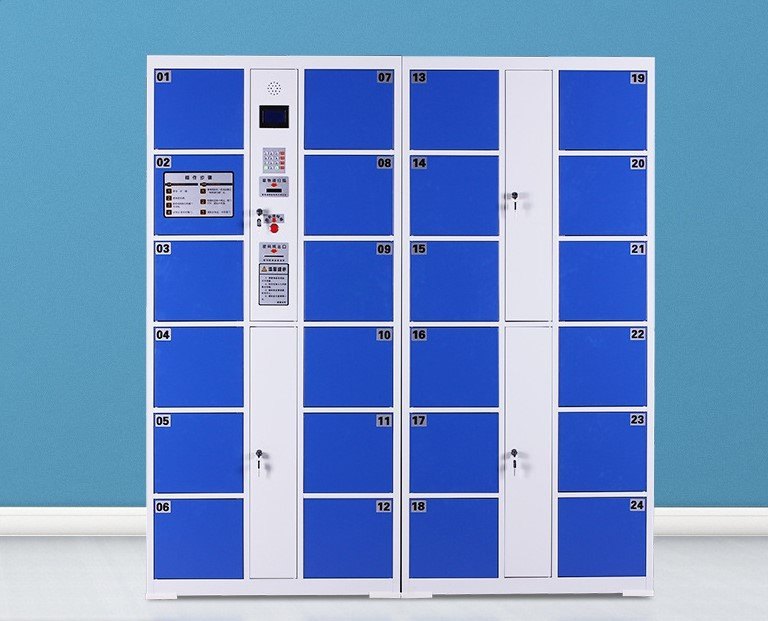
Parcel lockers, vending machine delivery gates, charging and battery-swap cabinets, shared storage and smart retail doors. Door count and unattended operation drive the spec: hundreds of thousands of cycles per door, a defined open signal, and a mechanical release for power failure.
| Action required | Bolt throw of 5–12 mm, door spring return |
|---|---|
| Cycle life | 100k–500k operations per door |
| Power budget | Shared 12/24 V bus across many doors |
| Typical choice | Solenoid lock assembly with feedback switch |
These are the ranges that come up most often in enquiries for this application. They are a starting point for discussion, not a specification — the numbers that matter are the ones from your mechanism.
Doubling the force in the same envelope usually means a larger coil and more heat. If the space is fixed, the honest answer is sometimes a different mechanism.
A faster actuation is louder. End-stop damping, a softer return spring or a reduced drive voltage all trade response time for acoustic performance.
Bearing surfaces, plunger coating and spring quality set the life. These are the first things a low-cost quote removes.
A feedback switch adds cost and a wire, but tells the controller the bolt actually moved. Without it, "locked" is an assumption.
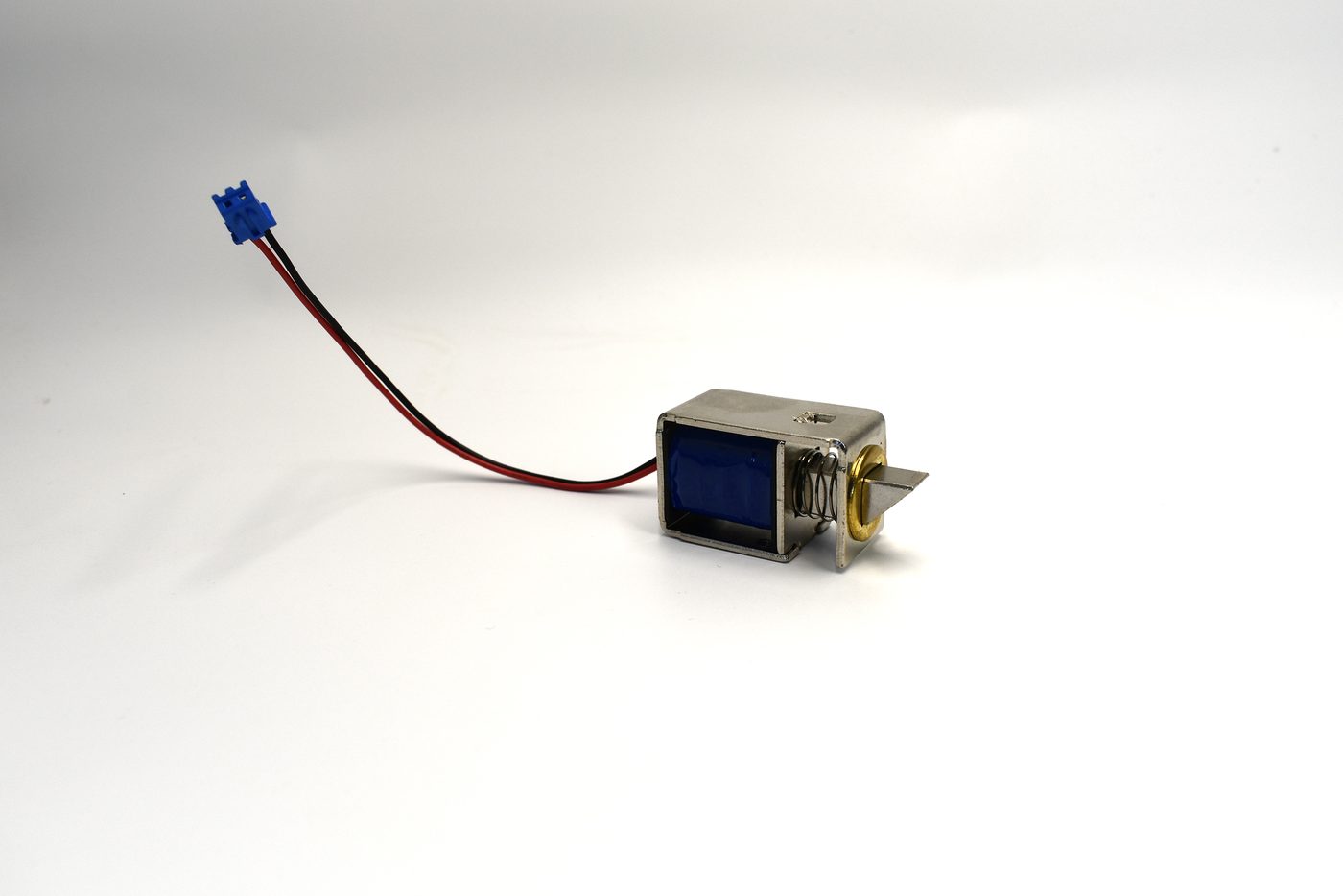
Rectangular Push-Pull Solenoid
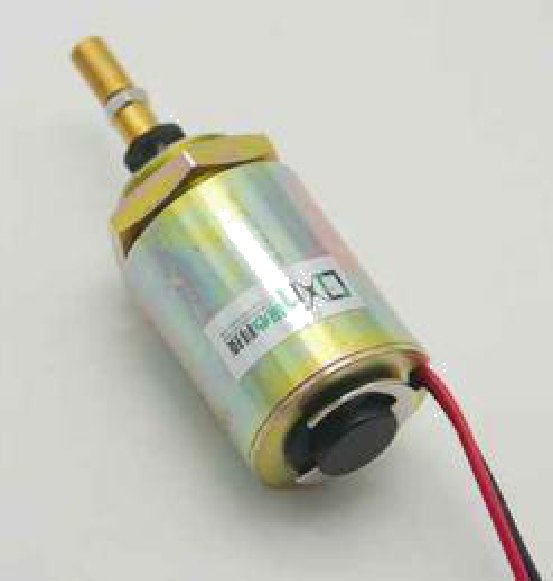
25 mm Tubular Solenoid, 30 mm Body
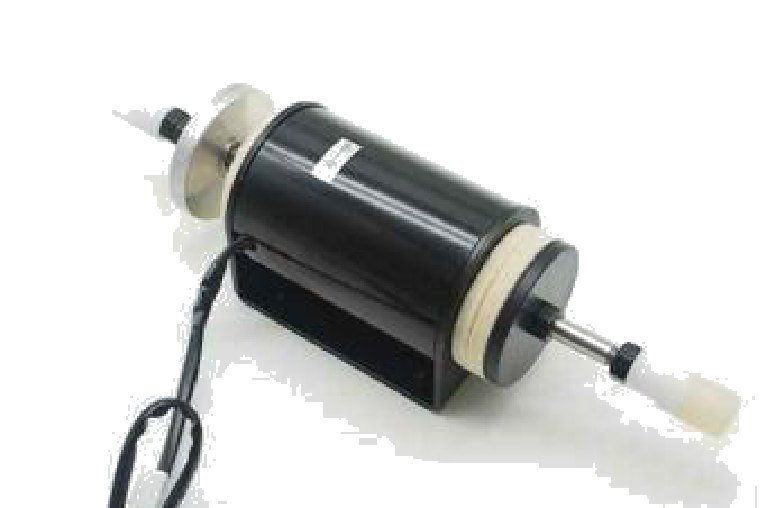
64 mm Tubular Solenoid, 90 mm Body
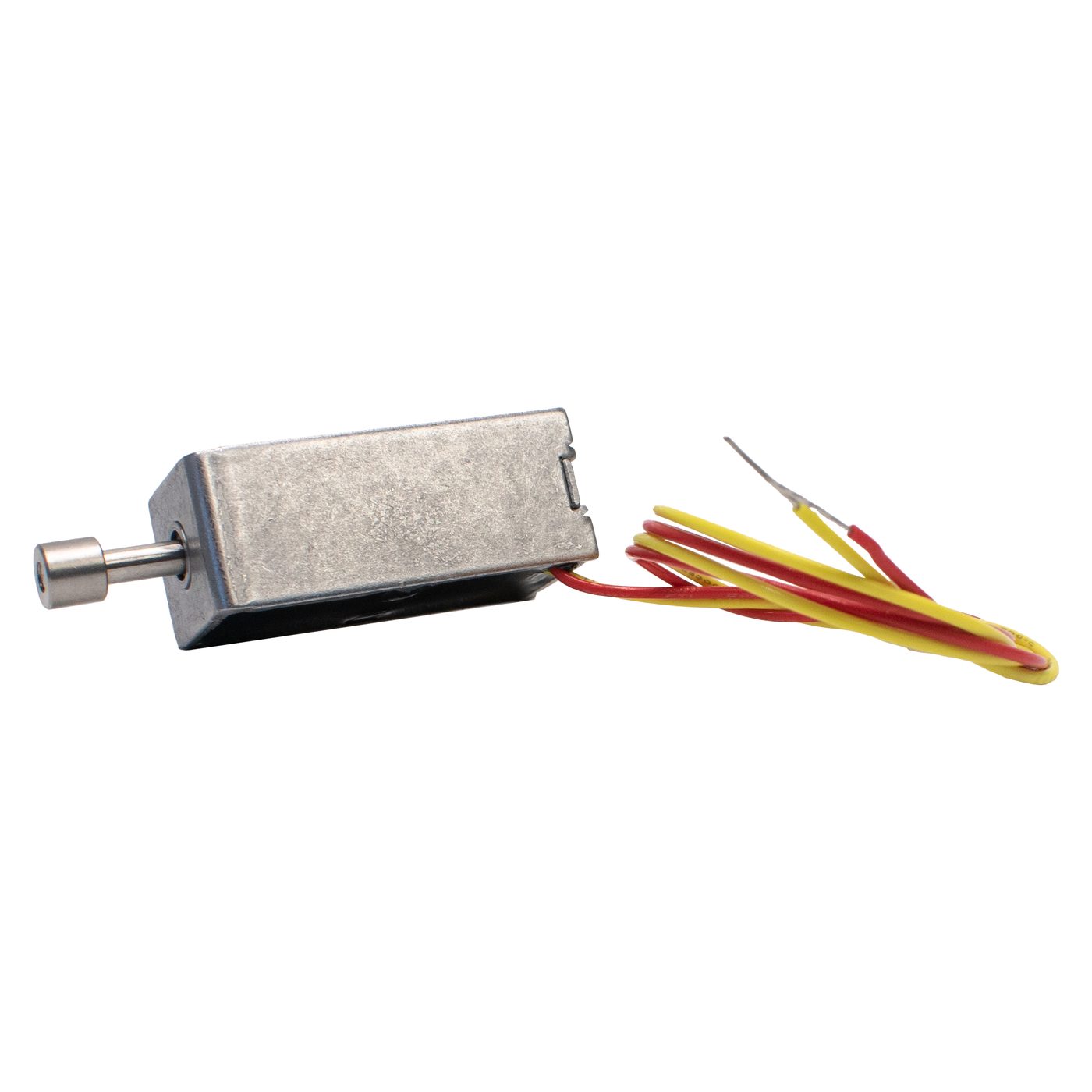
Square Latching Solenoid
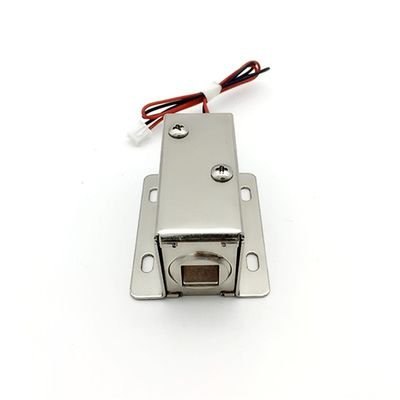
Cabinet Lock Solenoid, 5 V
Open-frame U0316L/S
Open-frame U0415L/S
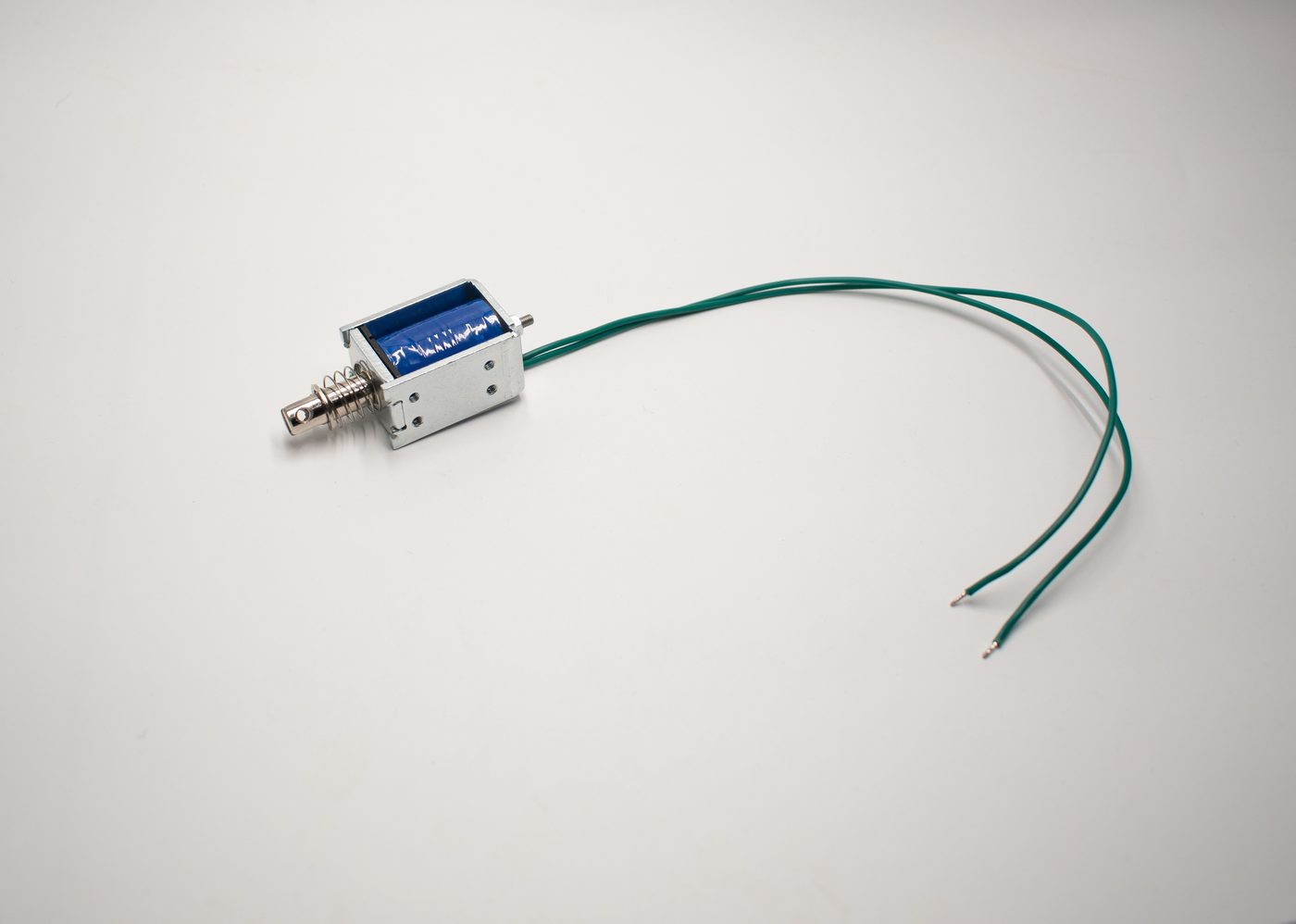
Open-frame U0837L/S
Self-holding KY0730L/S
Self-holding KY0735L/S
Self-holding KY0940L/S
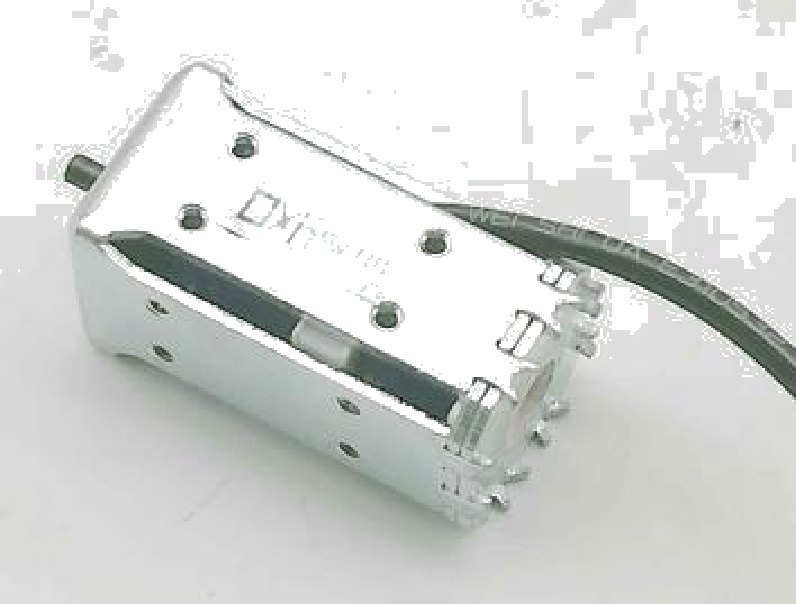
Self-holding KY0951L/S
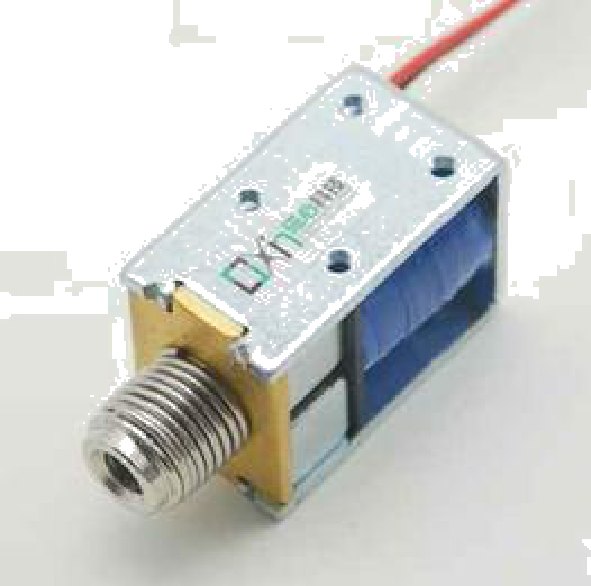
Self-holding KY1037L/S
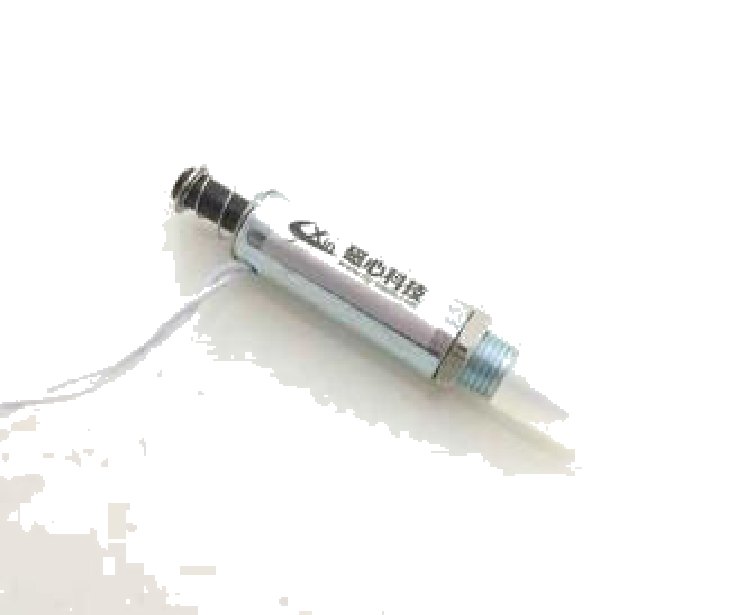
Tubular T0925L/S
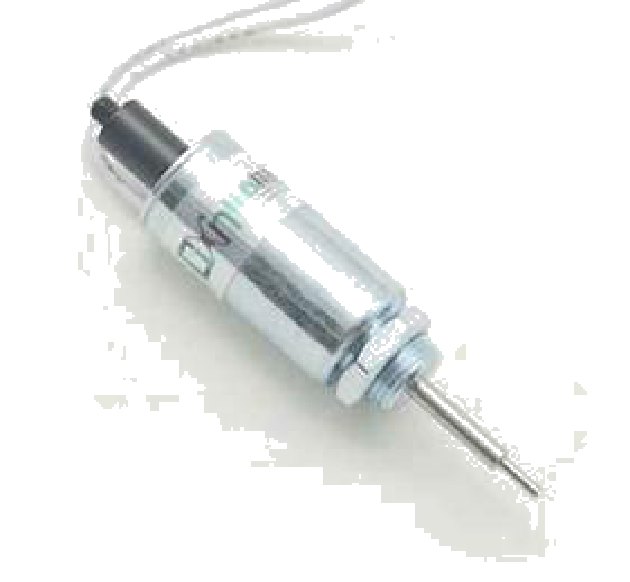
Tubular T1325L/S
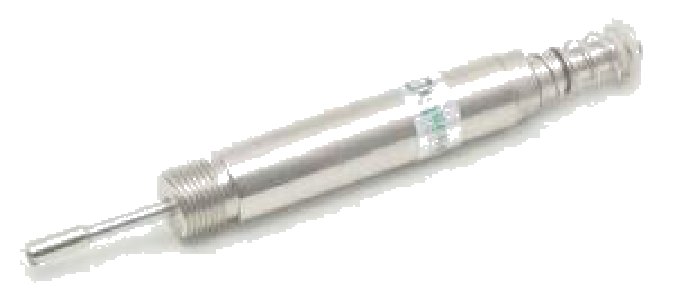
Tubular T1340L/S
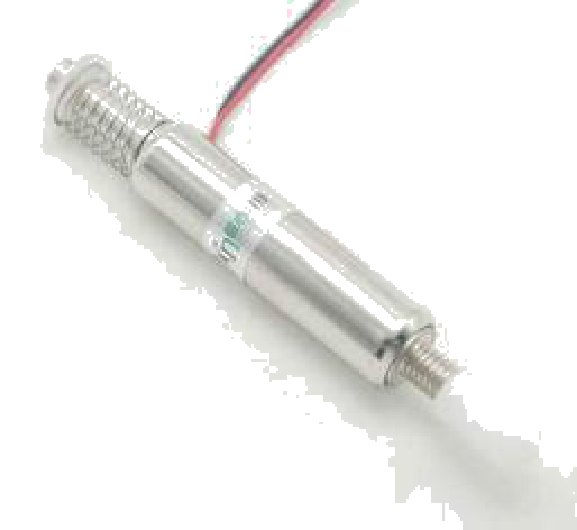
Tubular T1348L/S
Tubular T1632L/S
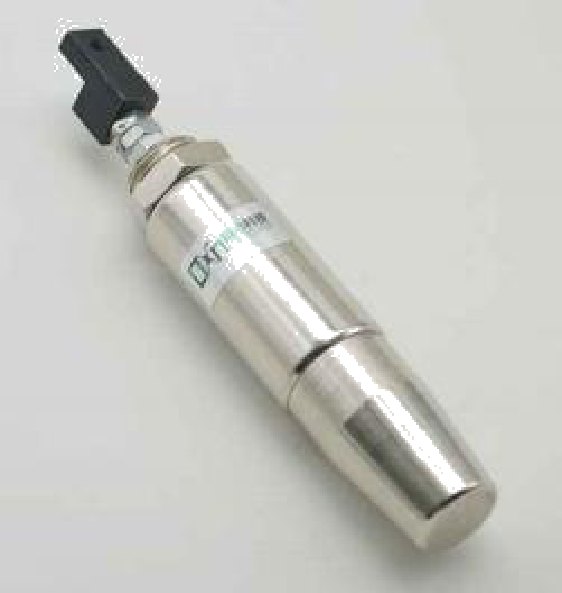
Tubular T2070L/S
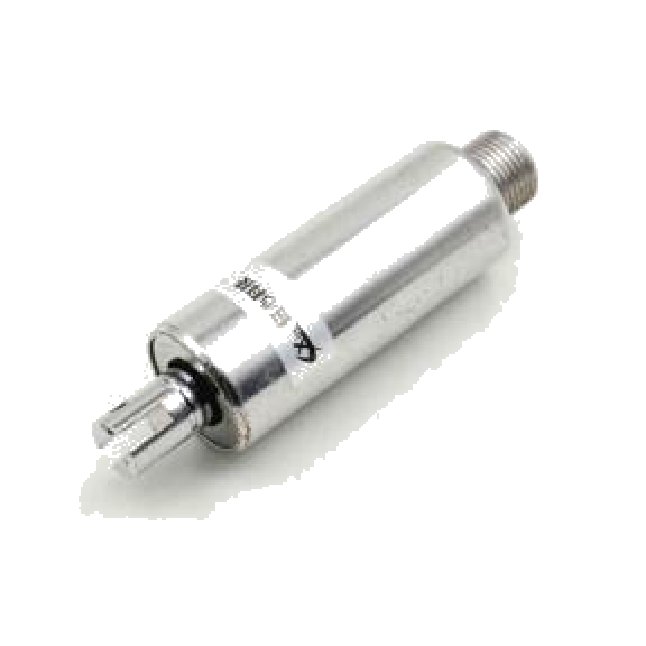
Tubular T2551L/S
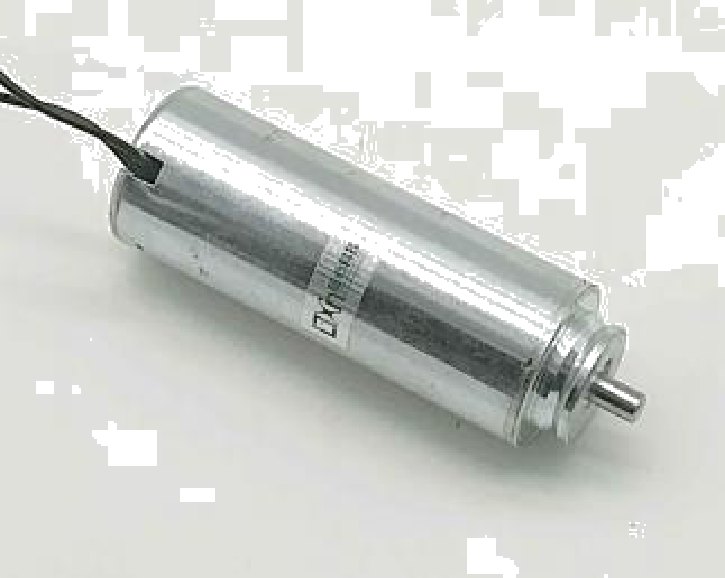
Tubular T2875L/S
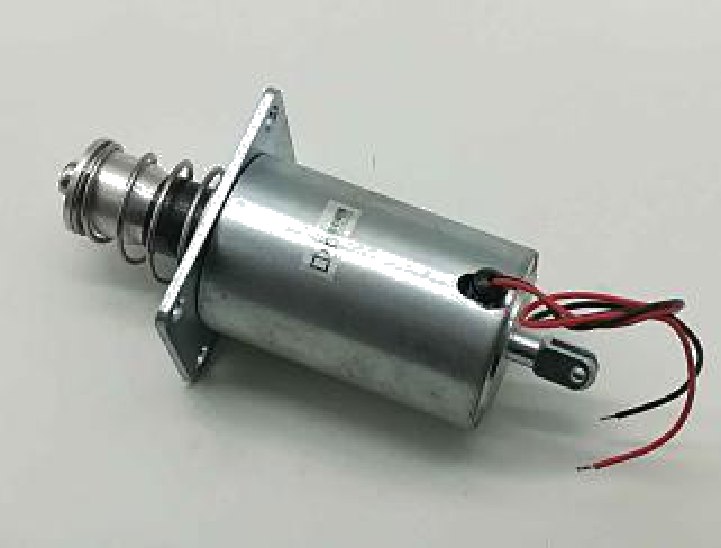
Tubular T4577L/S
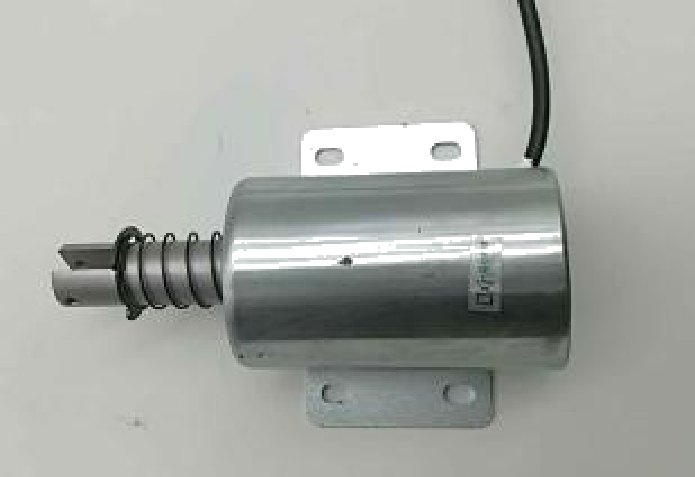
Tubular T5892L/S
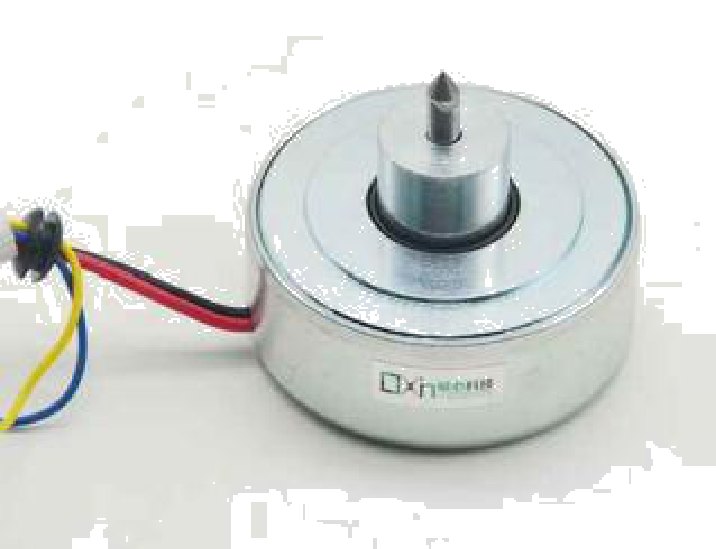
Tubular T6025S
Continuous holding current of 180 mA flattened a 4 Ah battery in 19 days.
Enough to clear the strike plate under load, plus 1–2 mm of margin. Most cabinet and locker bolts land between 5 and 12 mm; electronic deadbolts are often 3–8 mm. Measure the worst-case mechanical clearance, not the nominal.
Yes, if the holding state draws no current. A latching design holds magnetically after a short pulse, so the energy per operation is the pulse only. A spring-return design that stays energised will flatten a small battery in weeks.
That is a design decision, not a solenoid property. Fail-secure holds the door locked with no power; fail-safe releases it. Latching types can be built either way, and both usually need a mechanical release for service access.
It depends on load, stroke and the impact at the end stop — a number without those conditions is marketing. Ask for the cycle test report with the load and stroke stated.
Send the mechanism constraints and an engineer will propose a type, a coil and a sample plan.