Test schedule
| Test | Method | Frequency |
|---|---|---|
| Force–stroke | Load cell sweep across the working stroke, at rated voltage and stated temperature | Sampled per lot |
| Dielectric withstand | Hipot between coil and frame at specified voltage and duration | 100% |
| Insulation resistance | Megohm test at 500 V DC | 100% |
| Coil resistance | Four-wire measurement against the drawing tolerance | 100% |
| Temperature rise | Thermocouple or resistance method at rated duty until equilibrium | Type test / sampled |
| Cycle life | Repeated actuation under stated load with periodic force checks | Type test / project |
| Acoustic noise | Sound pressure at 1 m in a defined enclosure | Project specific |
| Salt spray / humidity | Corrosion and insulation behaviour in the specified environment | On request |
Frequency is stated per the standard build. Project specific requirements can be added to the control plan.
Reading a force figure correctly
A force number means nothing without three conditions: the stroke at which it was measured, the ambient temperature, and the duty cycle. A cold coil at 0.5 mm gap can show 40% more force than the same coil warm at 6 mm.
We state those three conditions on every datasheet. If a supplier does not, the number cannot be compared with anything — including their own other numbers.
Certification
ISO 9001 covers the quality management system. Product-level compliance — CE, RoHS, UL where applicable — depends on the part and the market. Certificates with numbers are issued against a specific part number rather than the company in general, and we will send the current revision for the part you are buying.
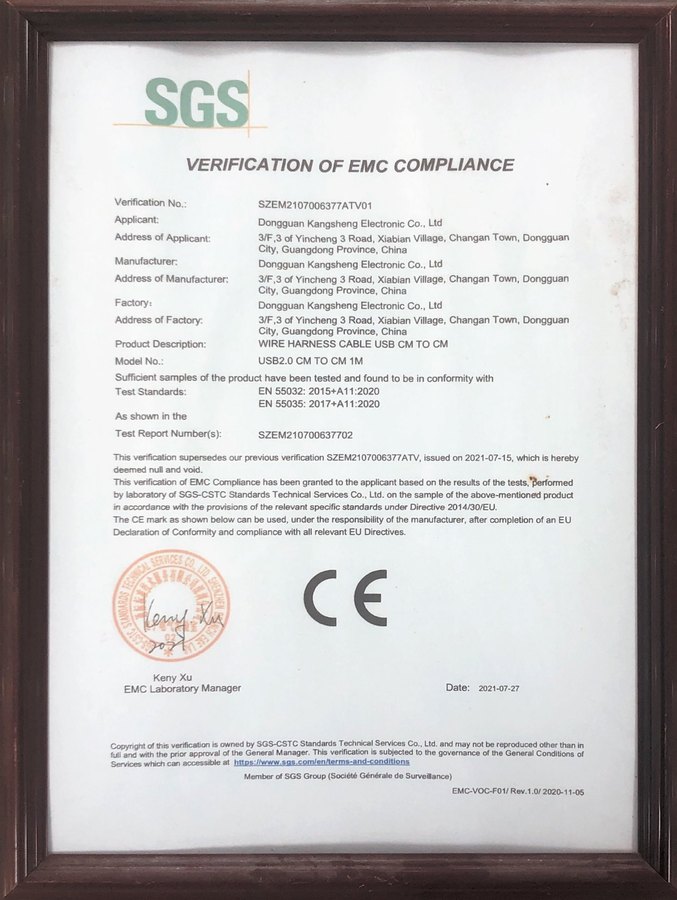
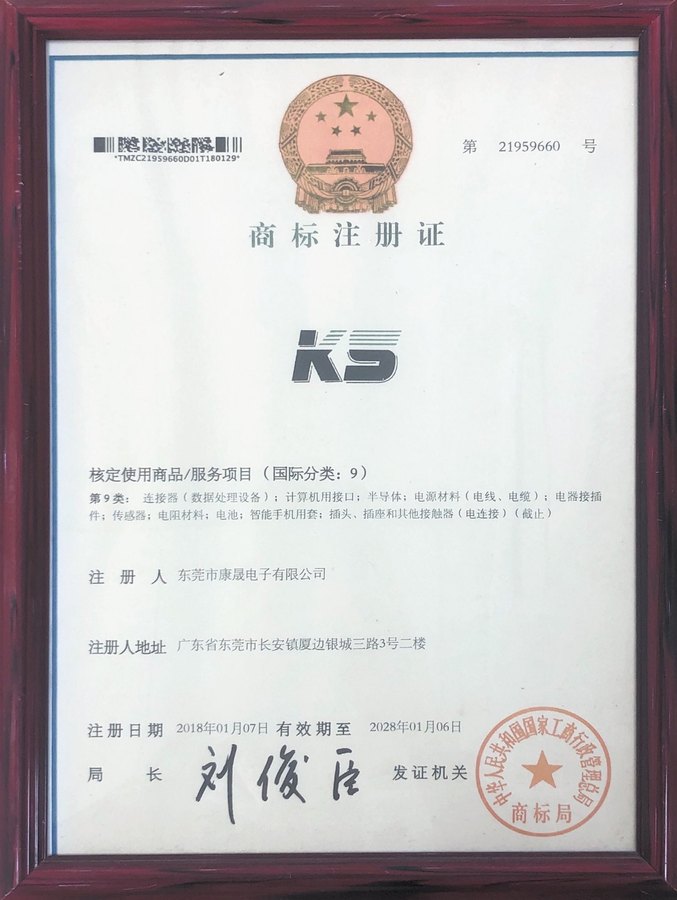
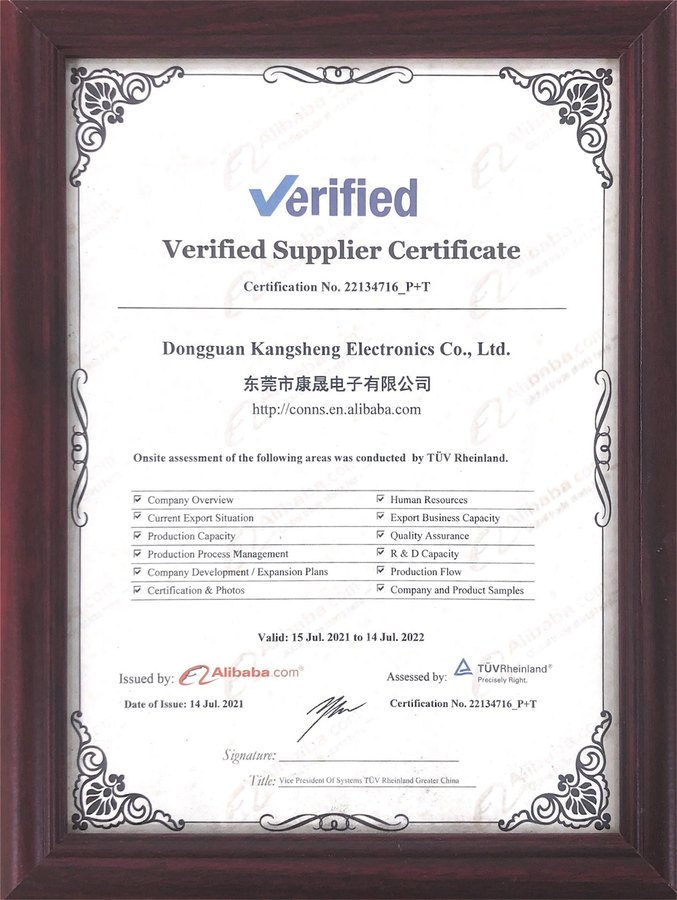
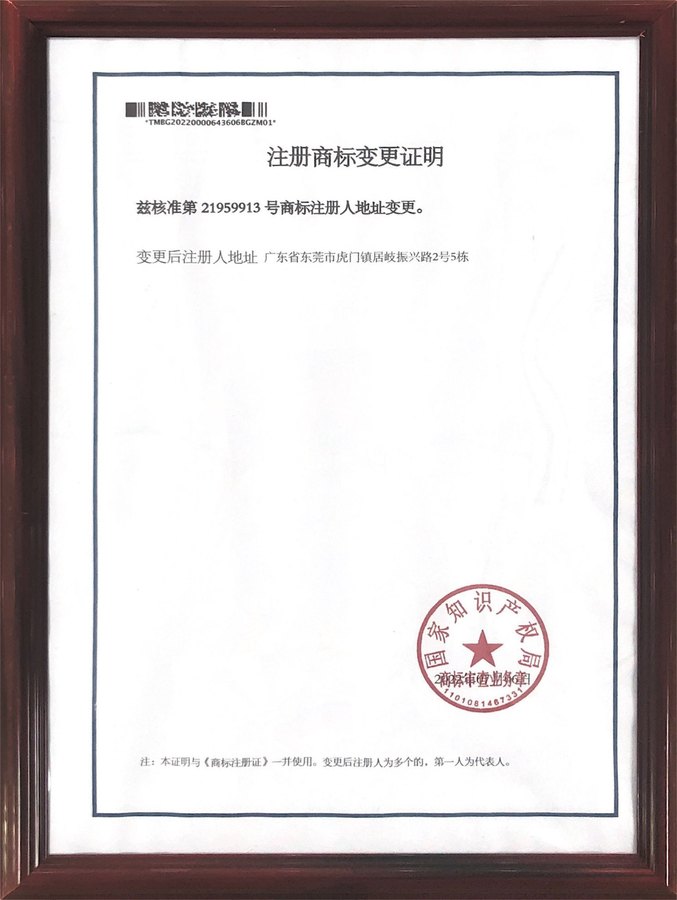
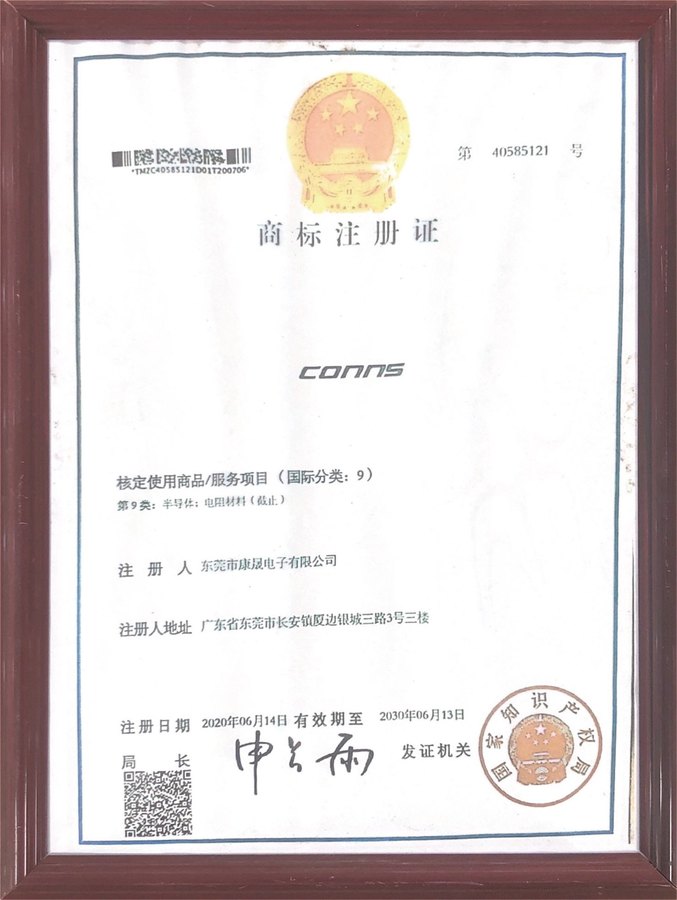
Full-size certificate scans with registration numbers are available on request.