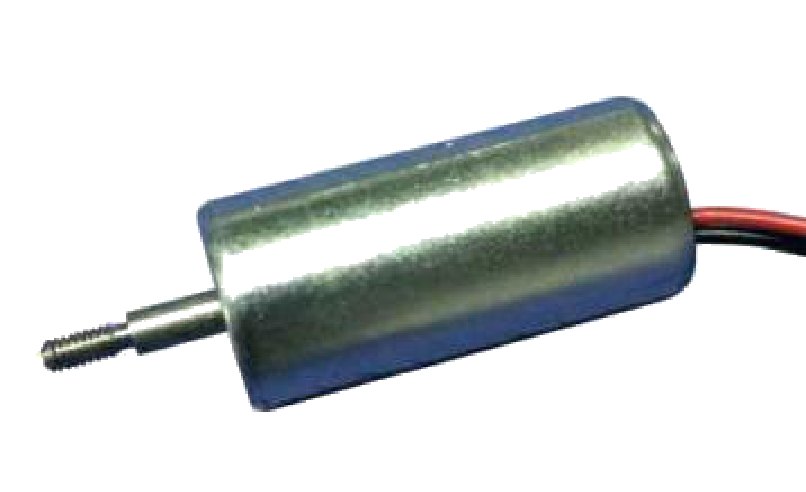
Analyser sampling arms, dosing pumps, medical cabinet locks and steriliser valves; POS peripherals, ATM and cash-handling mechanisms, ticketing printers; self-service kiosks, prize dispensers and player-facing amusement machines; test-rig clamps and end-of-line probe actuators. Noise, heat and documented batches matter more than raw force.
| Action required | Short push or pull of 2–6 mm, precise end position |
|---|---|
| Noise | Audible click is often a complaint in quiet rooms |
| Duty | Short pulses on demand; long idle periods between |
| Typical choice | Latching solenoid or tubular unit with damping |
These are the ranges that come up most often in enquiries for this application. They are a starting point for discussion, not a specification — the numbers that matter are the ones from your mechanism.
Doubling the force in the same envelope usually means a larger coil and more heat. If the space is fixed, the honest answer is sometimes a different mechanism.
A faster actuation is louder. End-stop damping, a softer return spring or a reduced drive voltage all trade response time for acoustic performance.
Bearing surfaces, plunger coating and spring quality set the life. These are the first things a low-cost quote removes.
A feedback switch adds cost and a wire, but tells the controller the bolt actually moved. Without it, "locked" is an assumption.
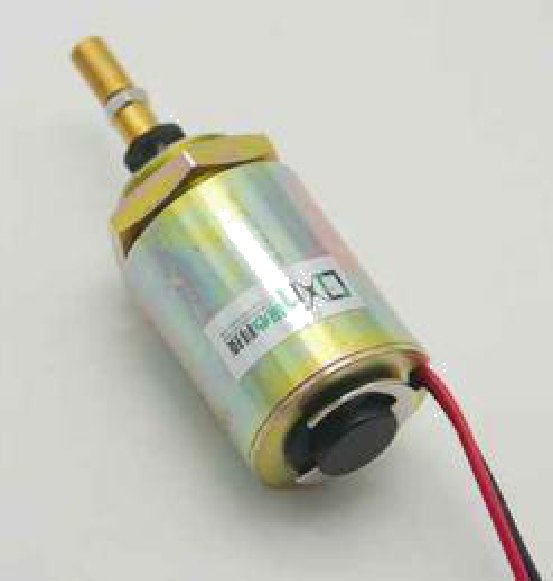
25 mm Tubular Solenoid, 30 mm Body
Bi-stable latching KS1225L/S
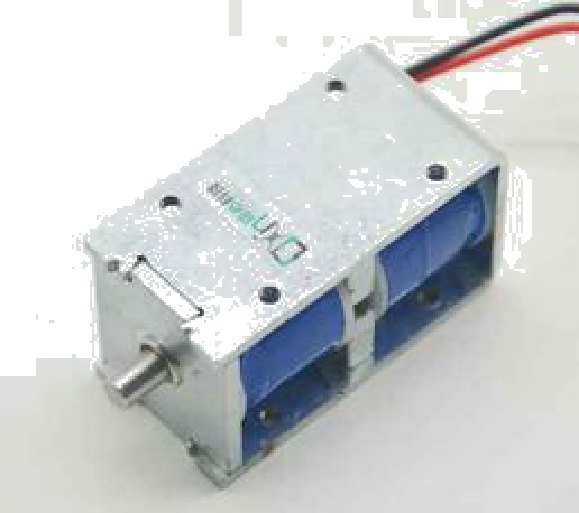
Bi-stable latching KS1564L/S

Open-frame U0420L/S
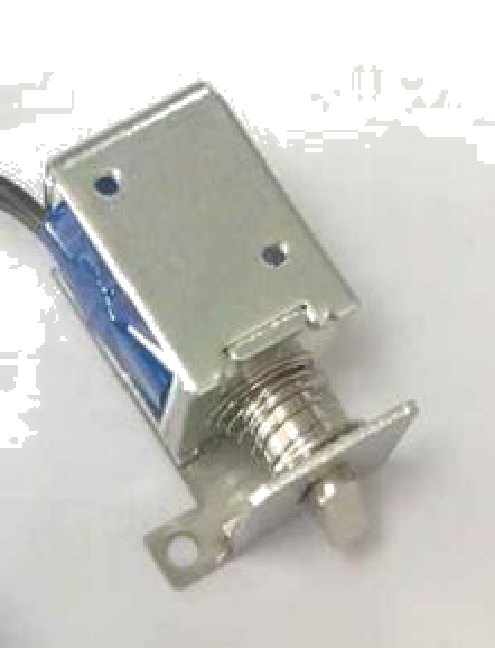
Open-frame U0421L/S
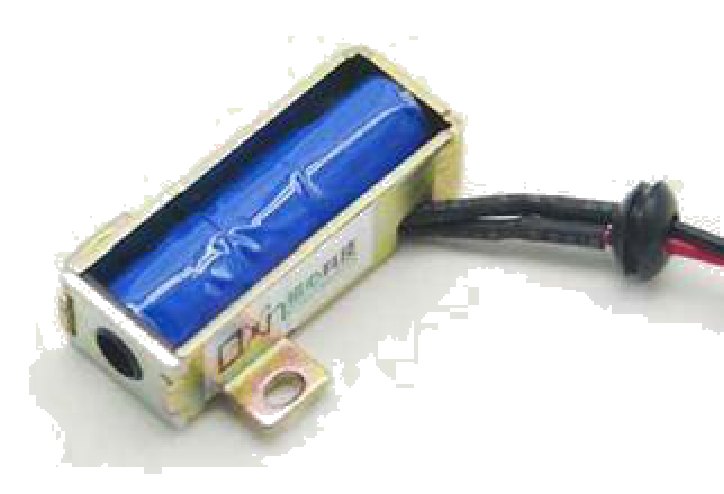
Open-frame U0436L/S
Open-frame U0520L/S
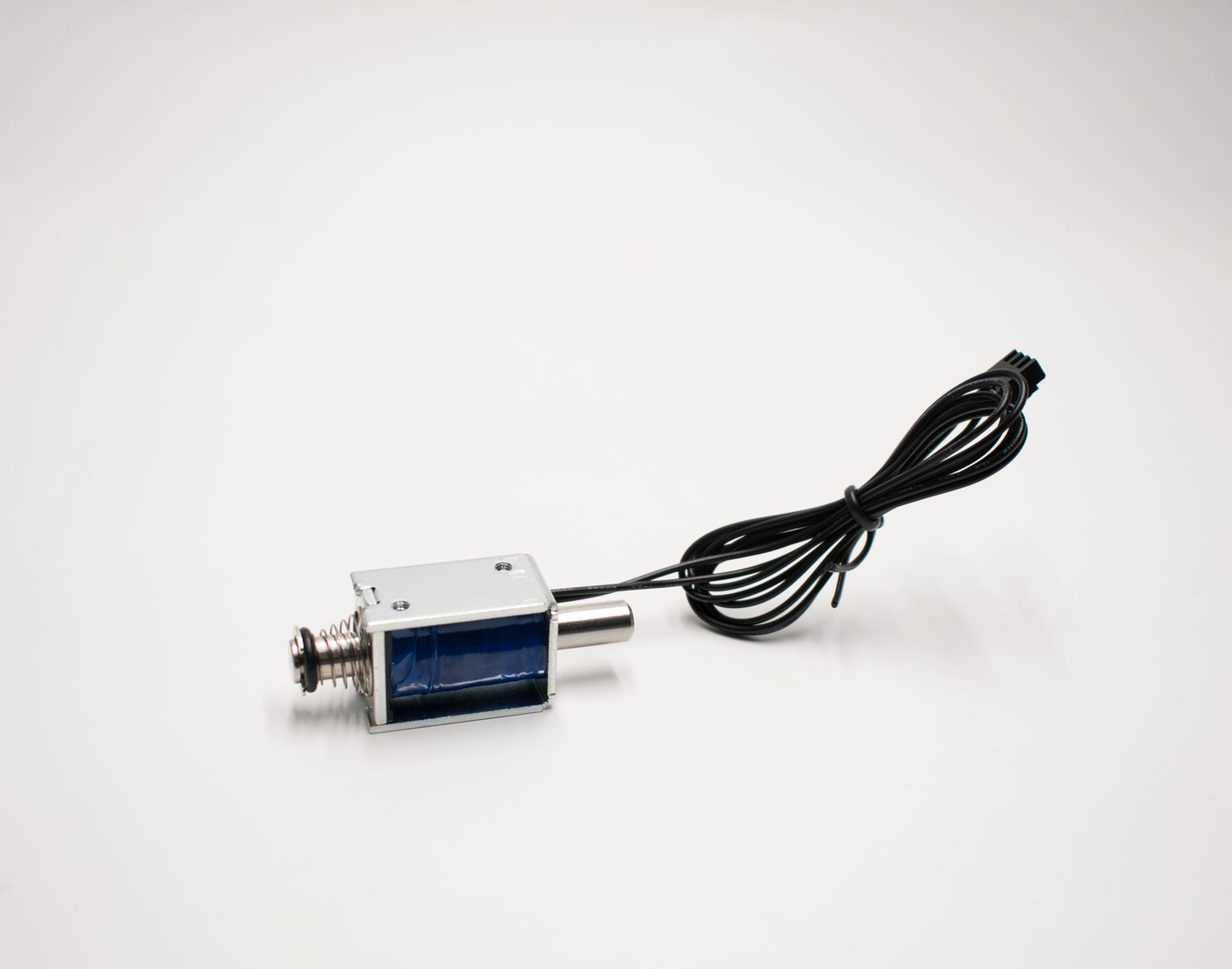
Open-frame U0730L/S
Open-frame U0834L/S
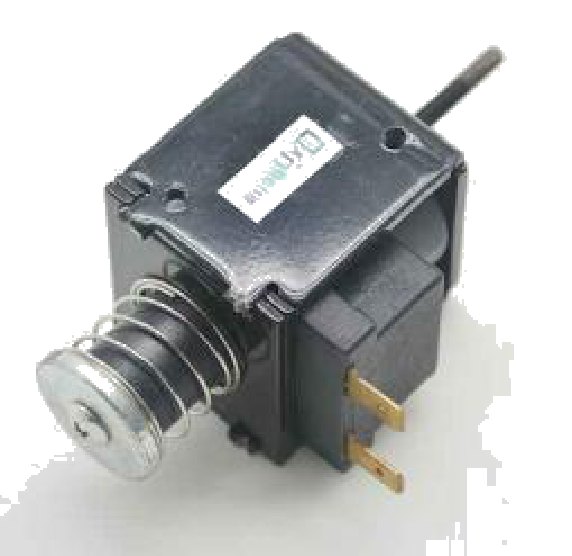
Open-frame U1847L/S
Open-frame U2244L/S
Open-frame U30120L/S
Rotary XZ2525L
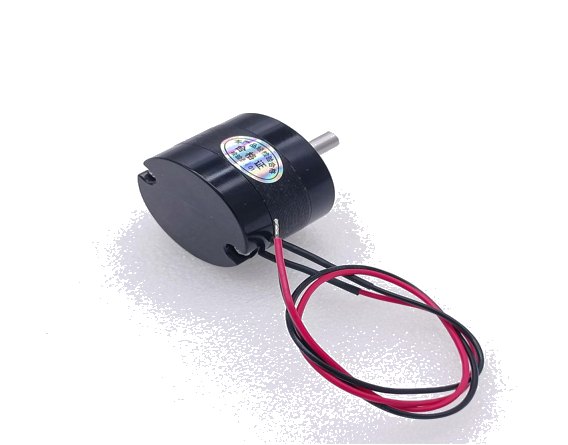
Rotary XZ4032L
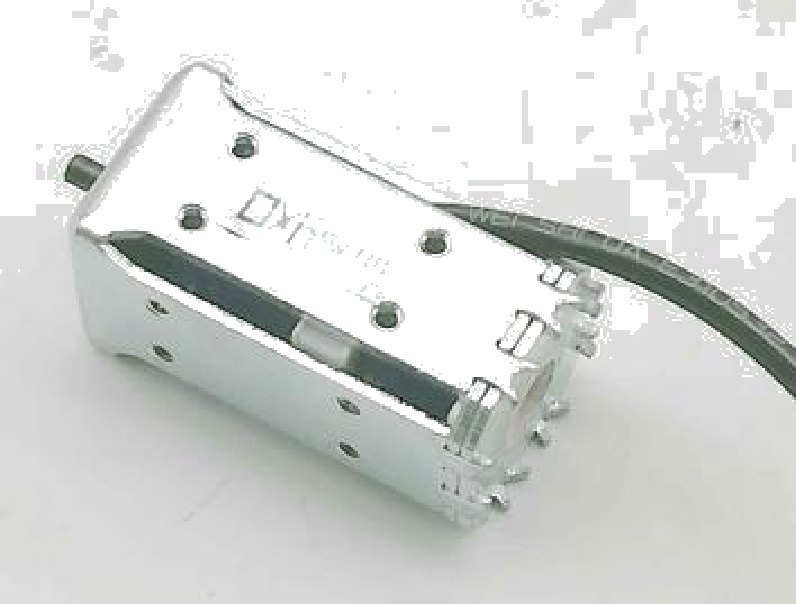
Self-holding KY0951L/S
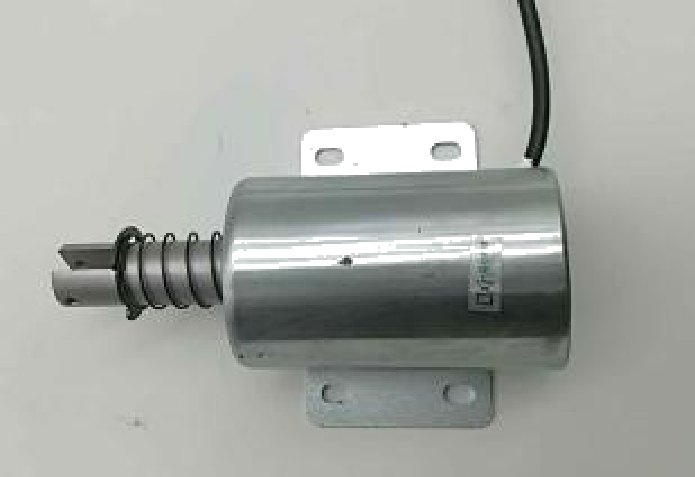
Tubular T5892L/S
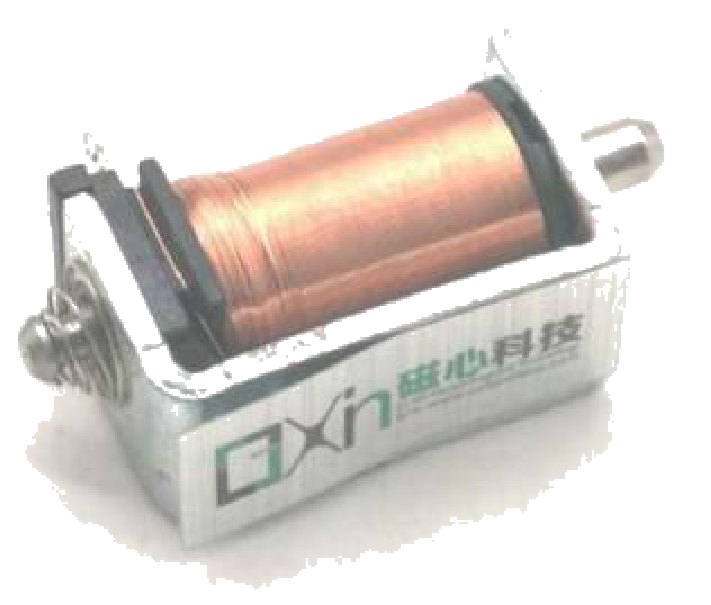
Solenoid valve QF0421
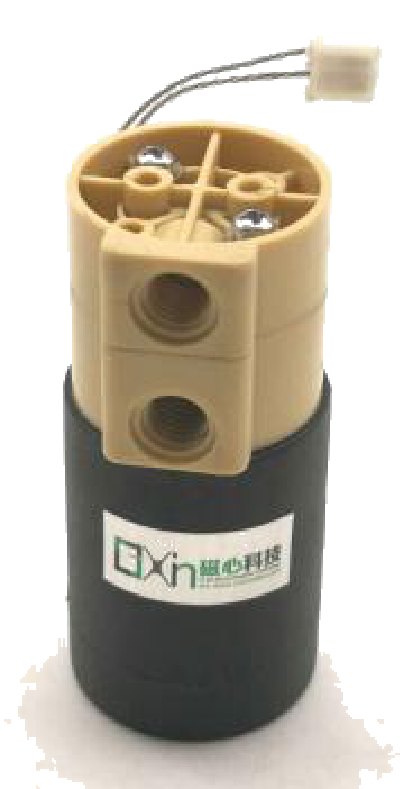
Solenoid valve QF2660
Yes. Coil resistance, force-stroke measurement and cycle test results are recorded per lot and can be issued with the shipment. The depth of documentation is agreed before the sample is made, not after.
Three levers: a softer end stop, a controlled decay of the drive pulse, and a latching design that does not slam at all. Which one fits depends on whether the noise comes from impact or from the return spring.
The coil is sized for the duty cycle at your ambient, and the temperature rise is measured, not estimated. For instruments that idle most of the day, a latching solenoid removes holding heat entirely.
Often yes — a kiosk door lock and a device cabinet lock are the same latching problem with different cycle targets. Give us the operating life and the noise limit; the coil and the end stop are chosen from those two numbers.
Send the mechanism constraints and an engineer will propose a type, a coil and a sample plan.