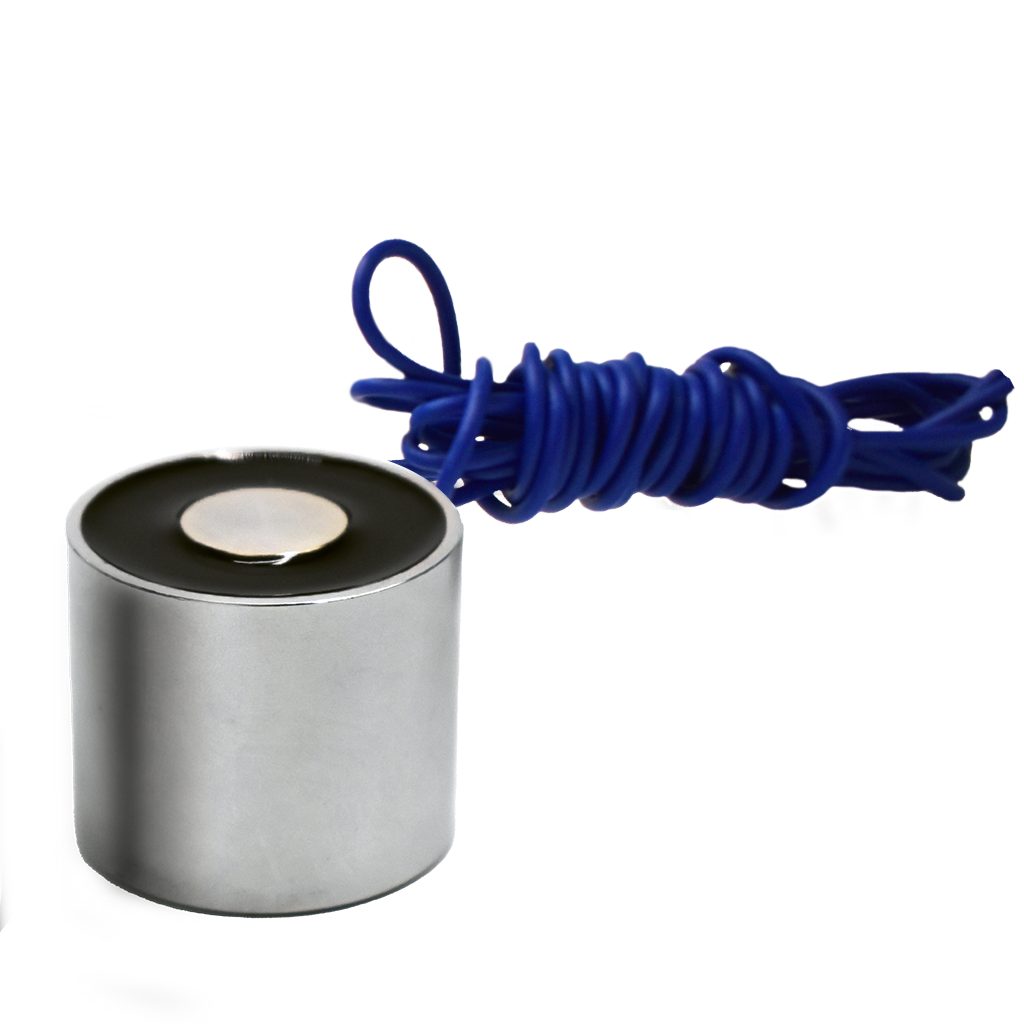
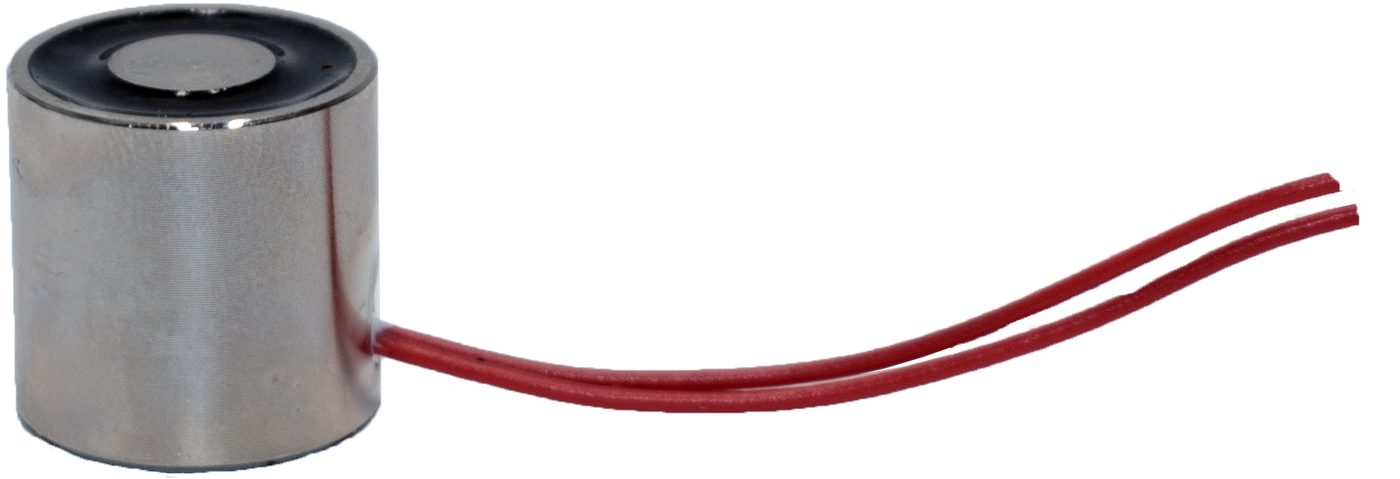
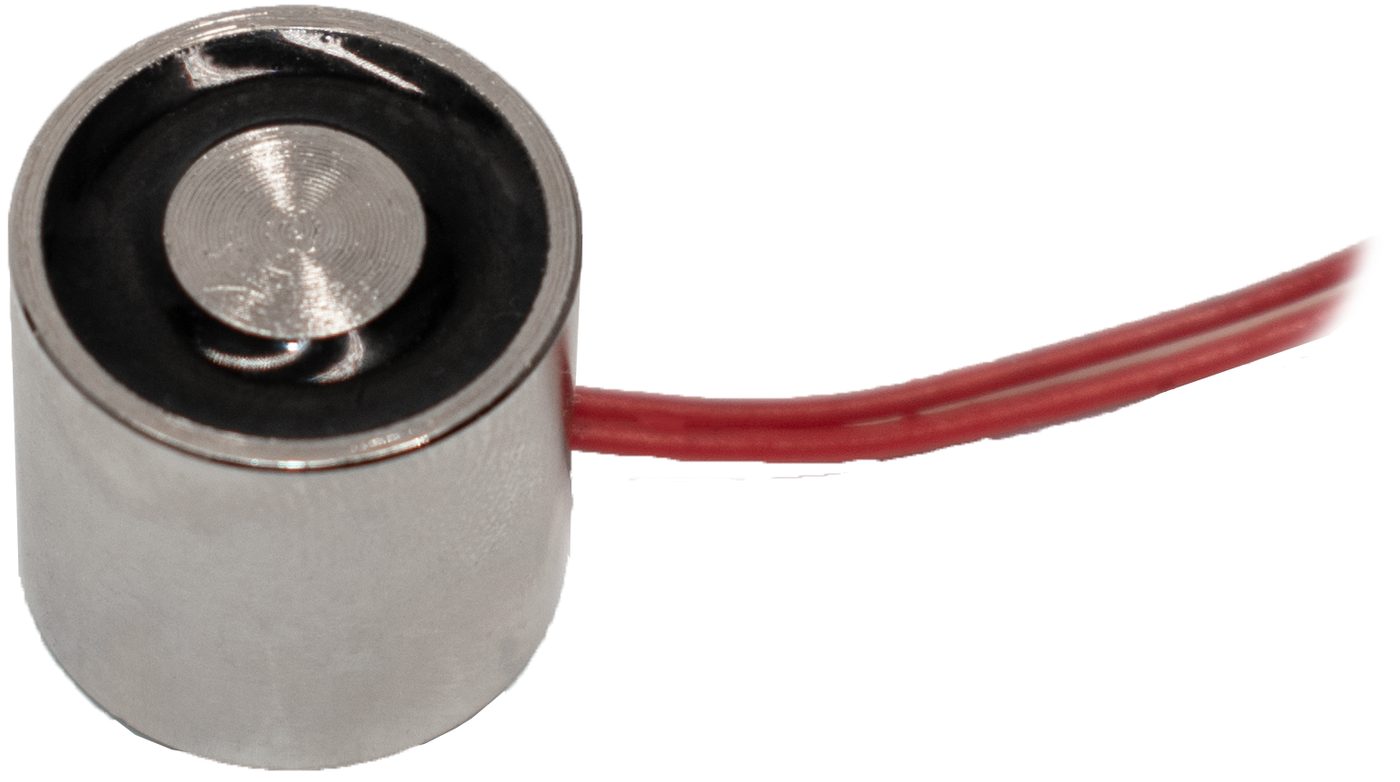
Washing machine door locks, dishwasher dispensers, coffee machine and ice maker valves, refrigerator dampers, robot vacuum latches, smart curtain drives and pet feeders. Cost, acoustic noise and agency approval dominate the brief far more than peak force.
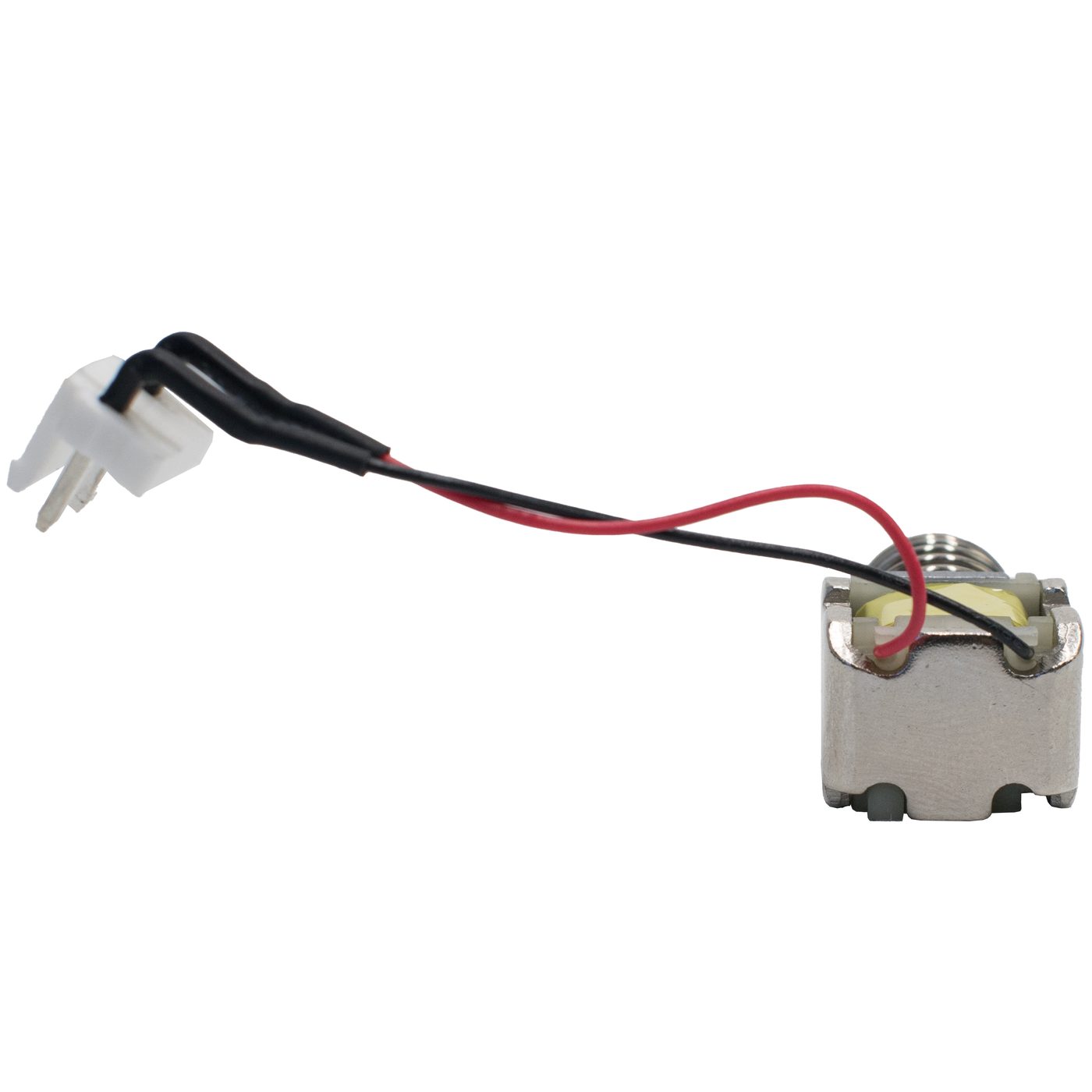
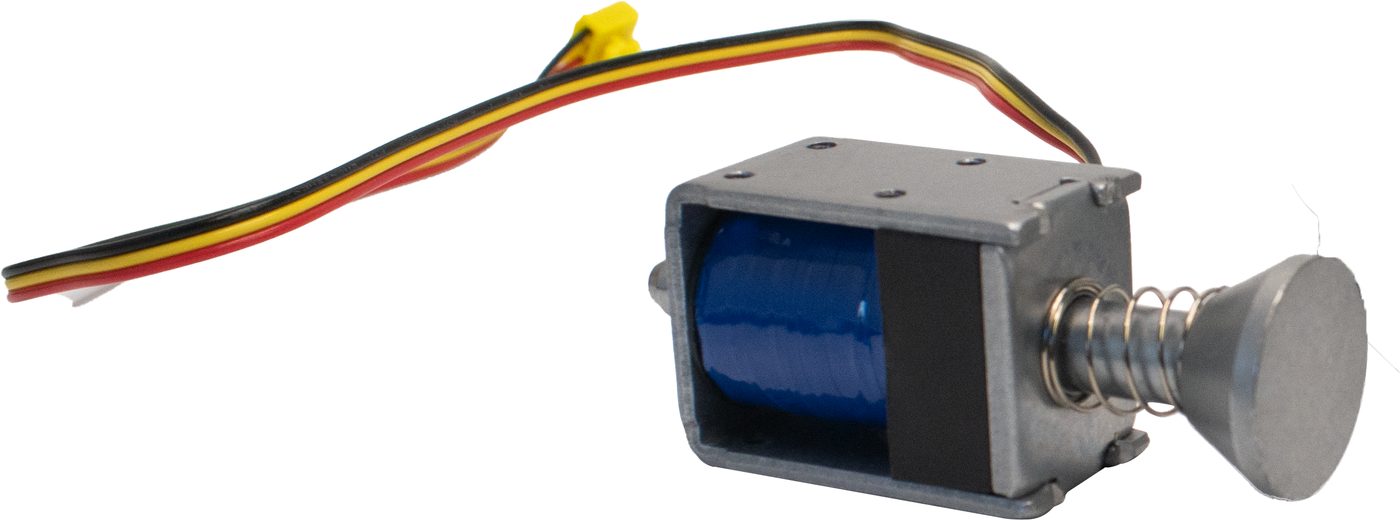
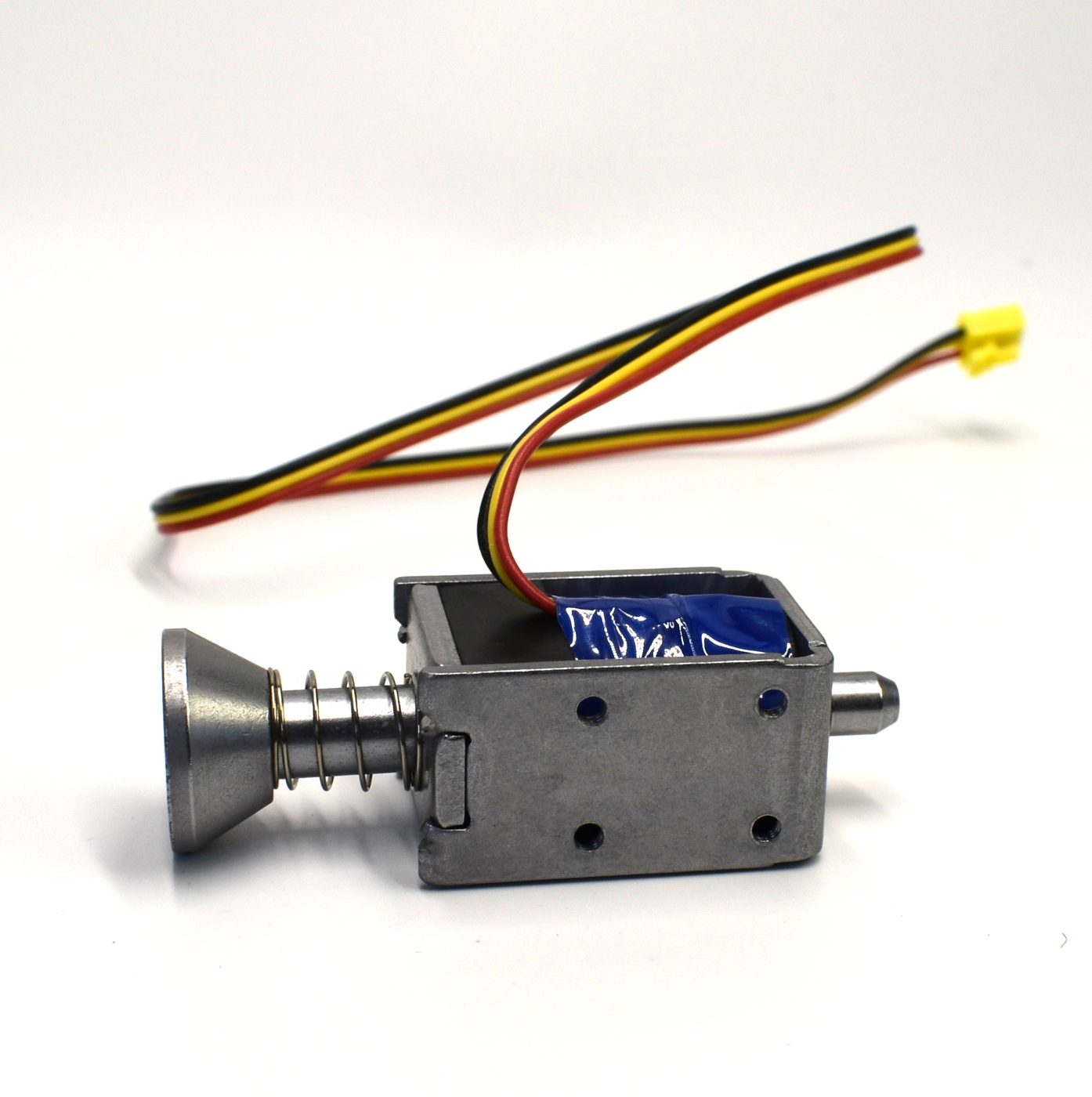
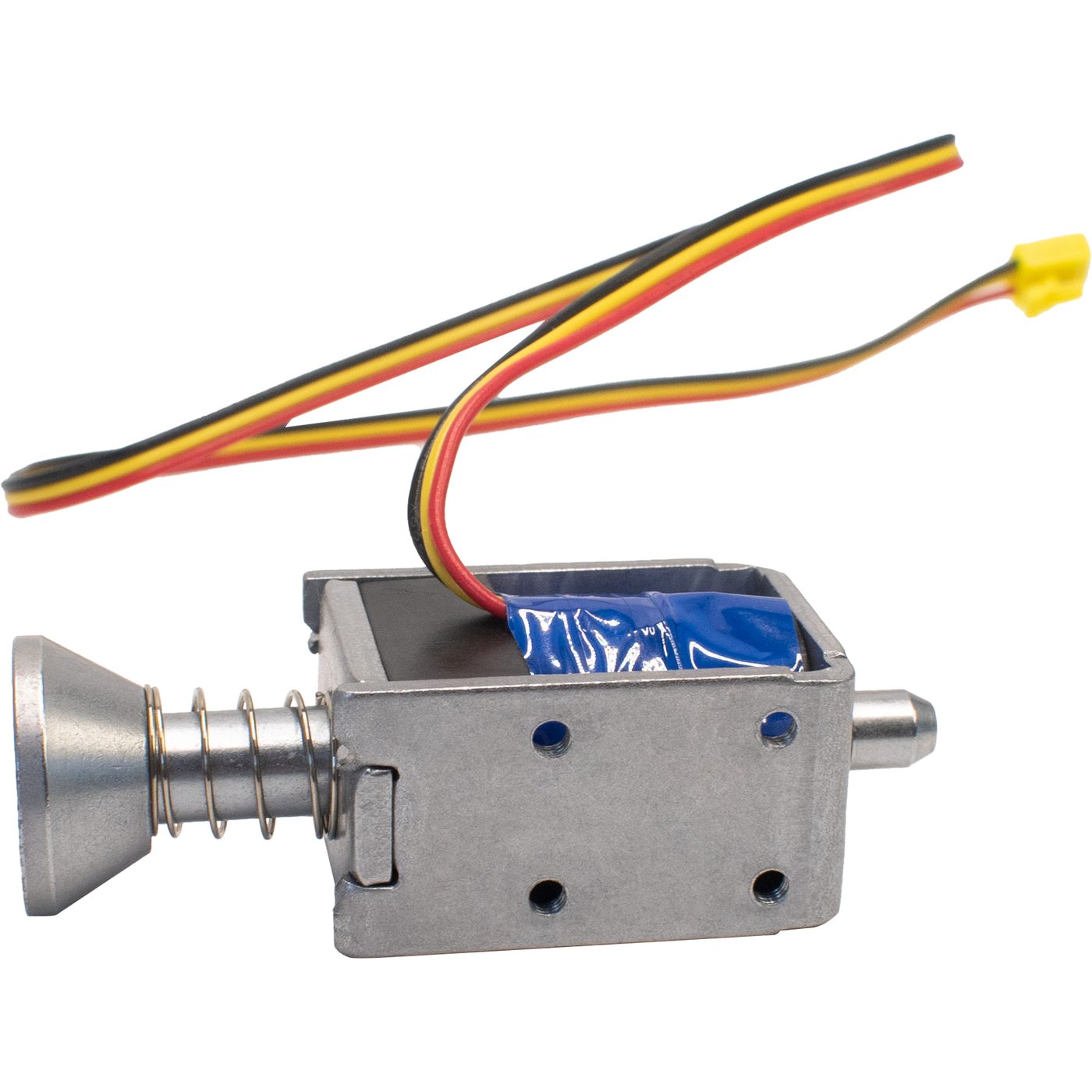
| Action required | Short stroke 2–6 mm, repeatable end position |
|---|---|
| Noise | Under 55 dB(A) at 1 m is frequently specified |
| Power budget | Mains-derived DC rail inside the appliance |
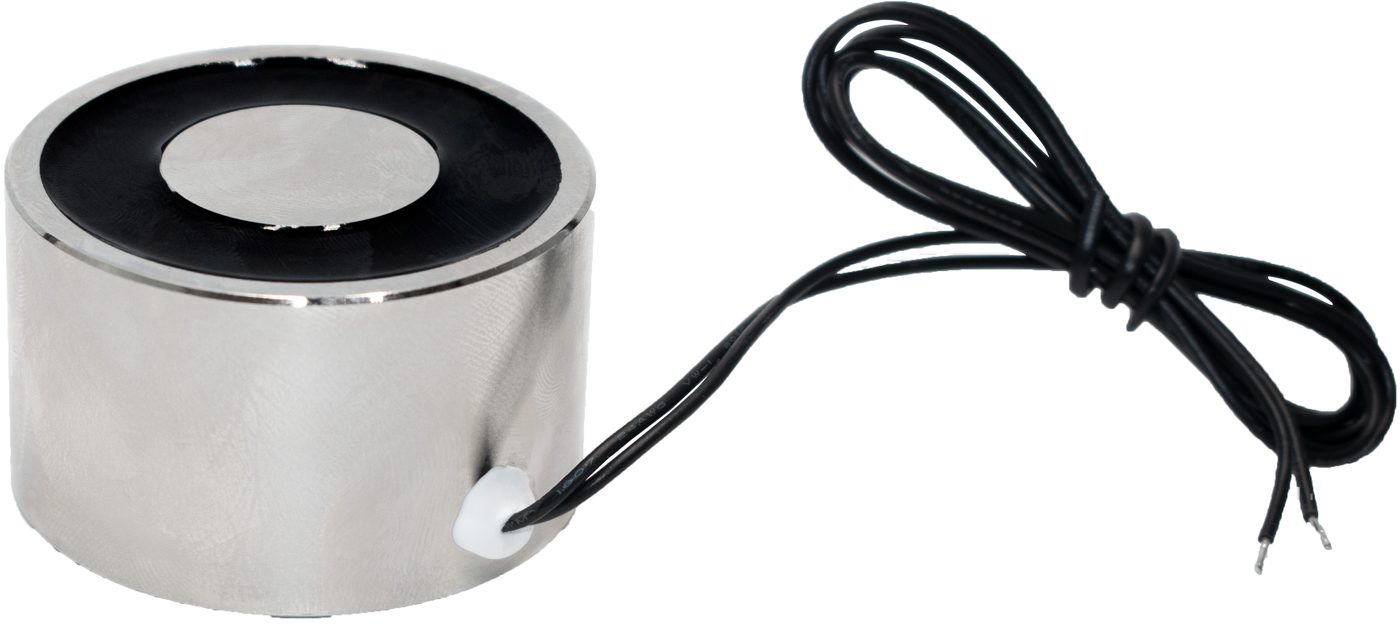
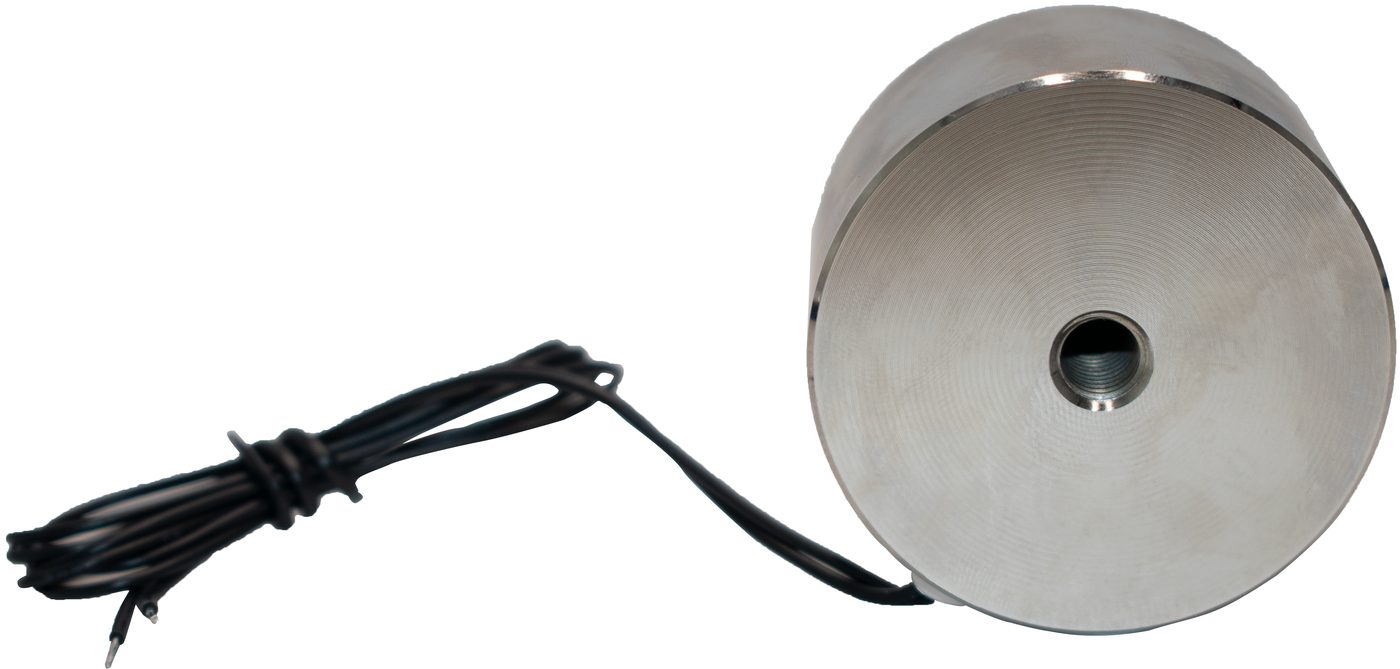
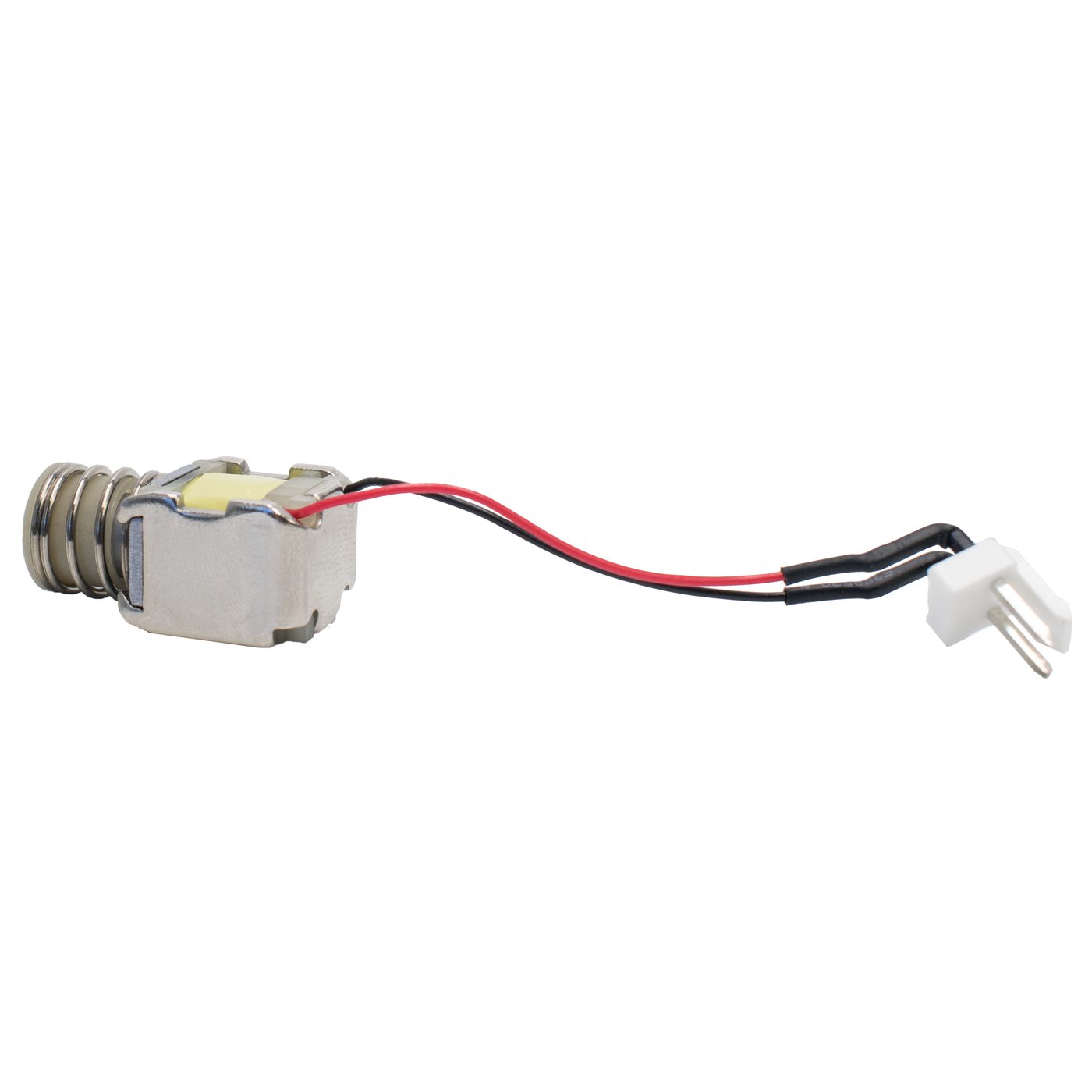
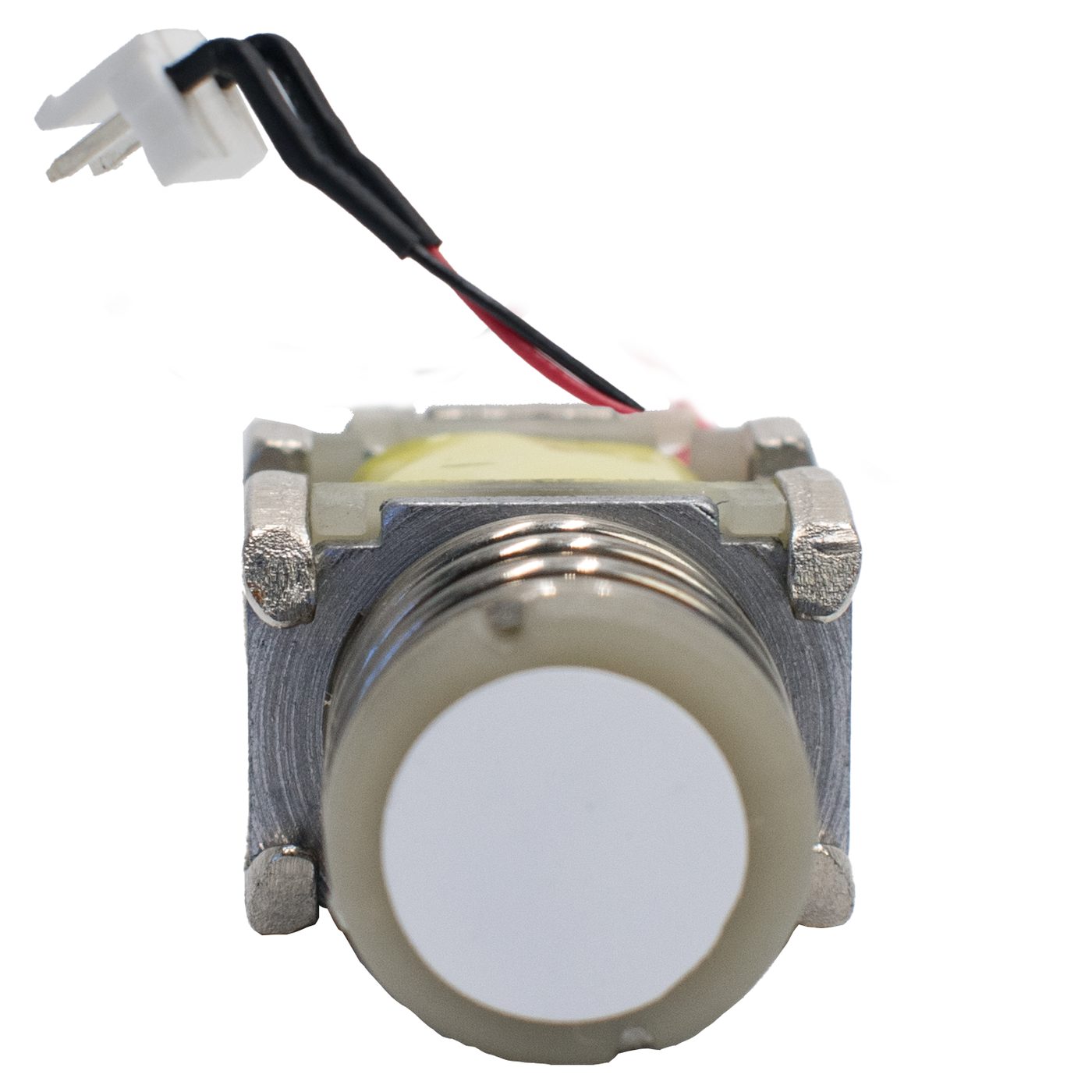
| Typical choice | Open-frame or tubular solenoid, custom coil |
These are the ranges that come up most often in enquiries for this application. They are a starting point for discussion, not a specification — the numbers that matter are the ones from your mechanism.
Doubling the force in the same envelope usually means a larger coil and more heat. If the space is fixed, the honest answer is sometimes a different mechanism.
A faster actuation is louder. End-stop damping, a softer return spring or a reduced drive voltage all trade response time for acoustic performance.
Bearing surfaces, plunger coating and spring quality set the life. These are the first things a low-cost quote removes.
A feedback switch adds cost and a wire, but tells the controller the bolt actually moved. Without it, "locked" is an assumption.
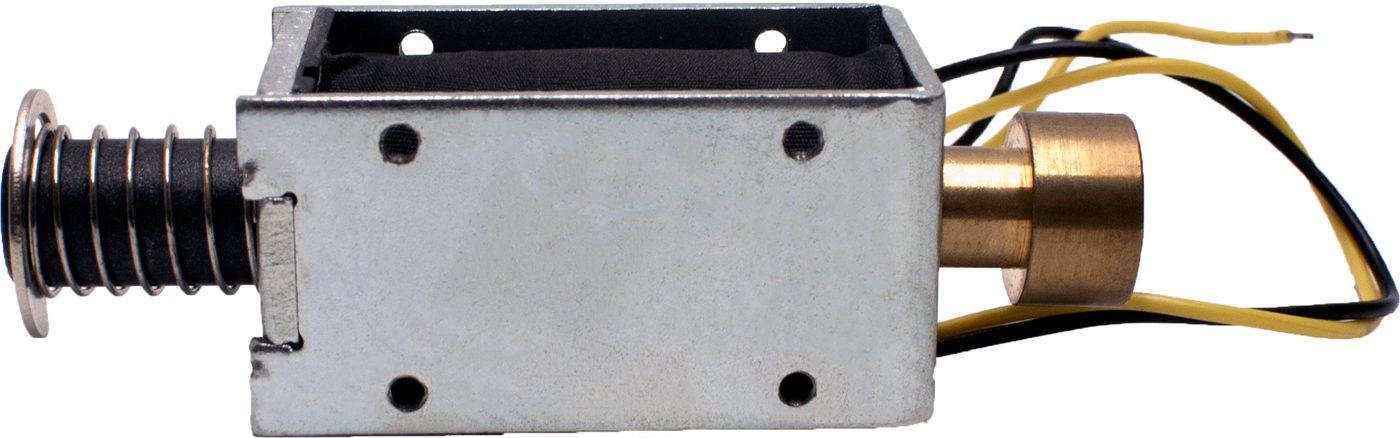
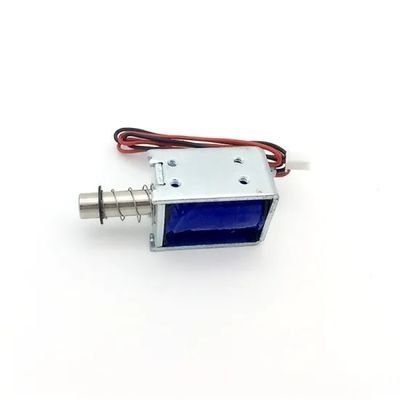
Compact Open-Frame Push-Pull Solenoid
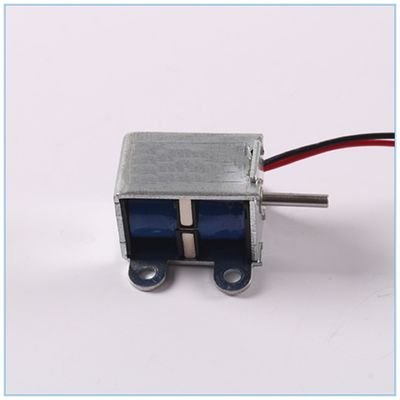
Automotive Push-Pull Solenoid
15 mm Tubular Solenoid, 40 mm Body
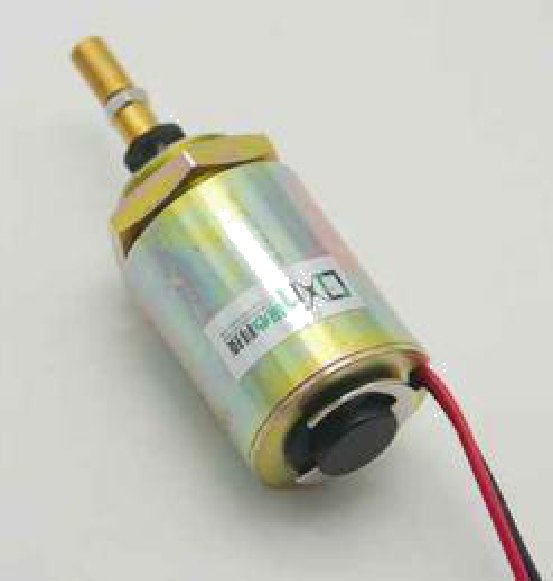
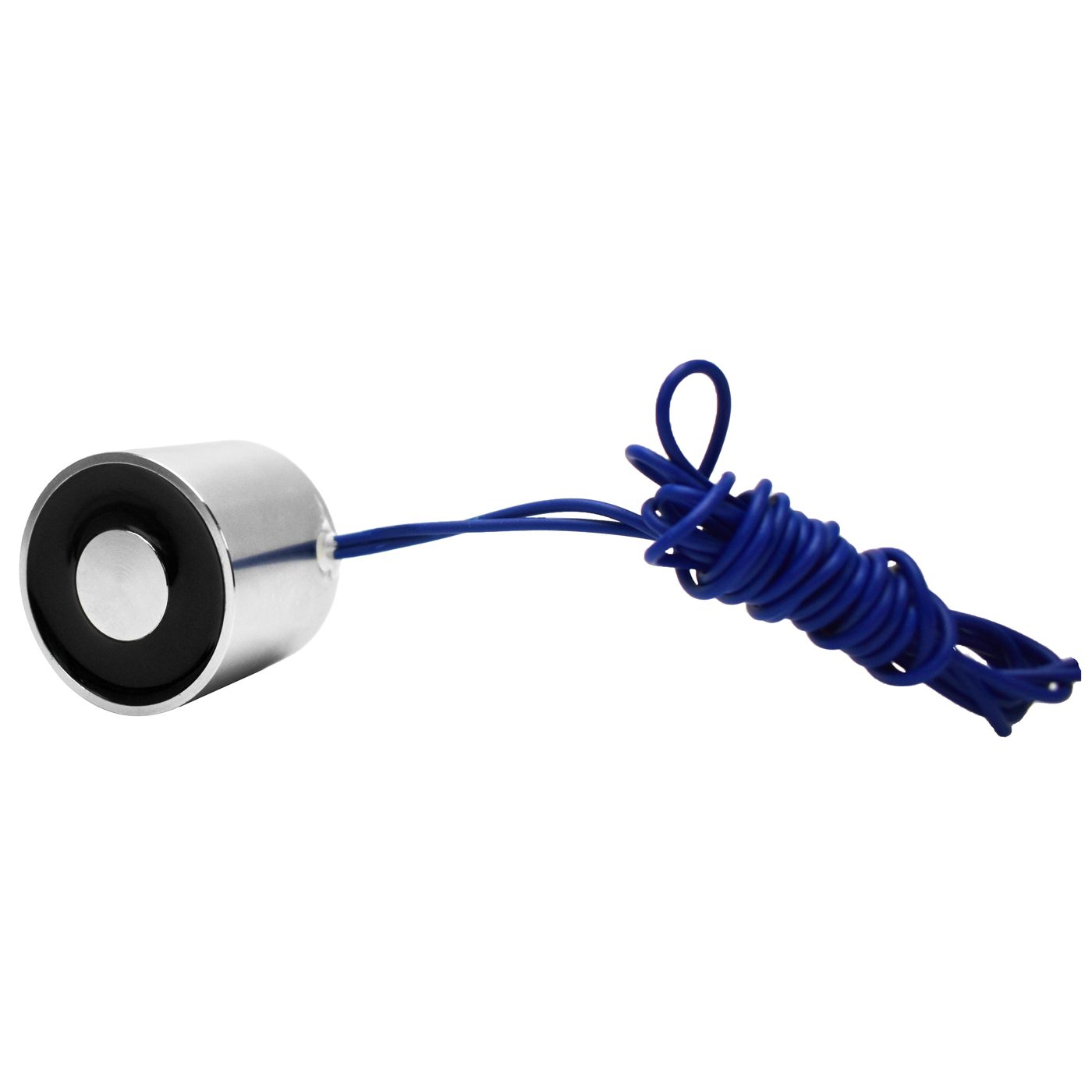
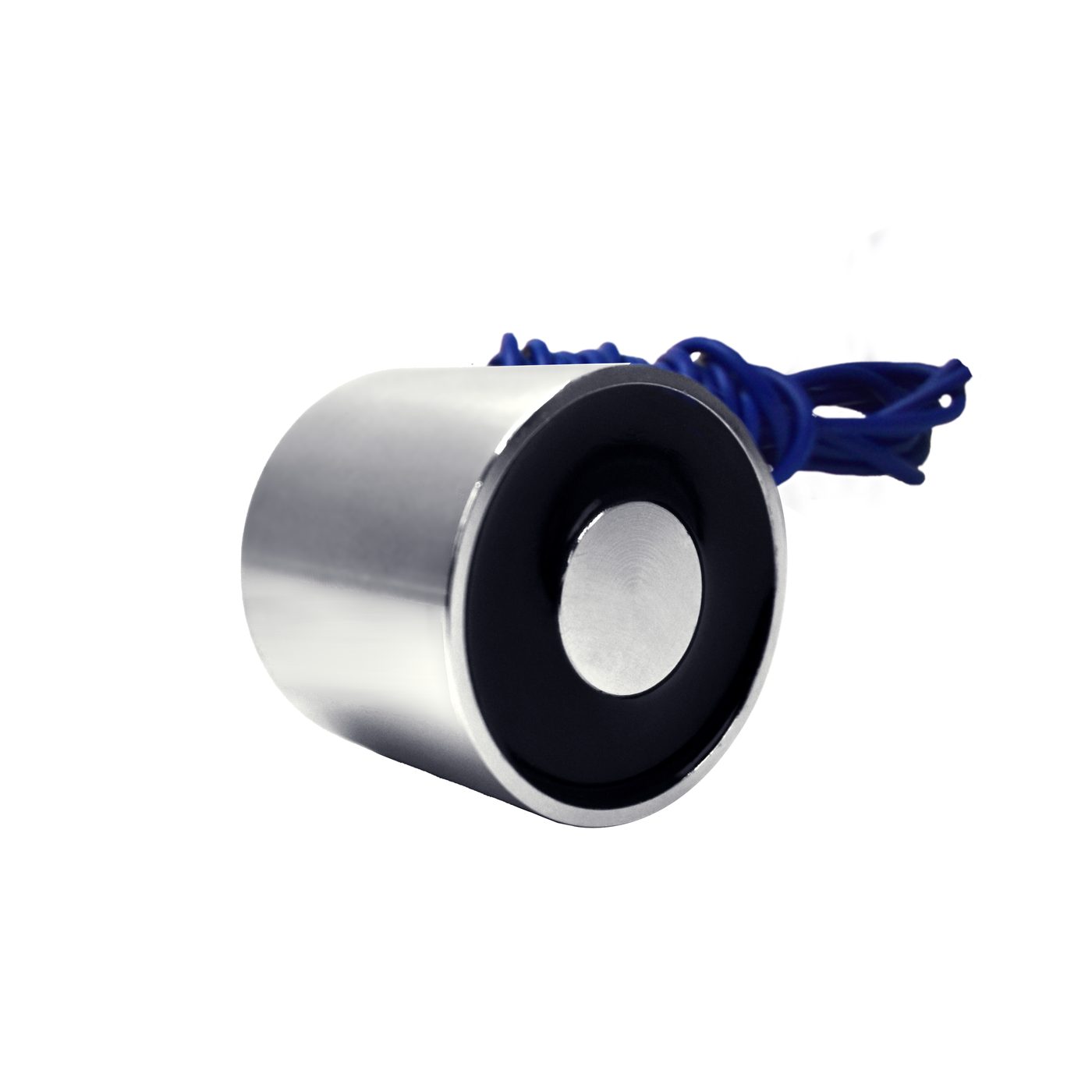
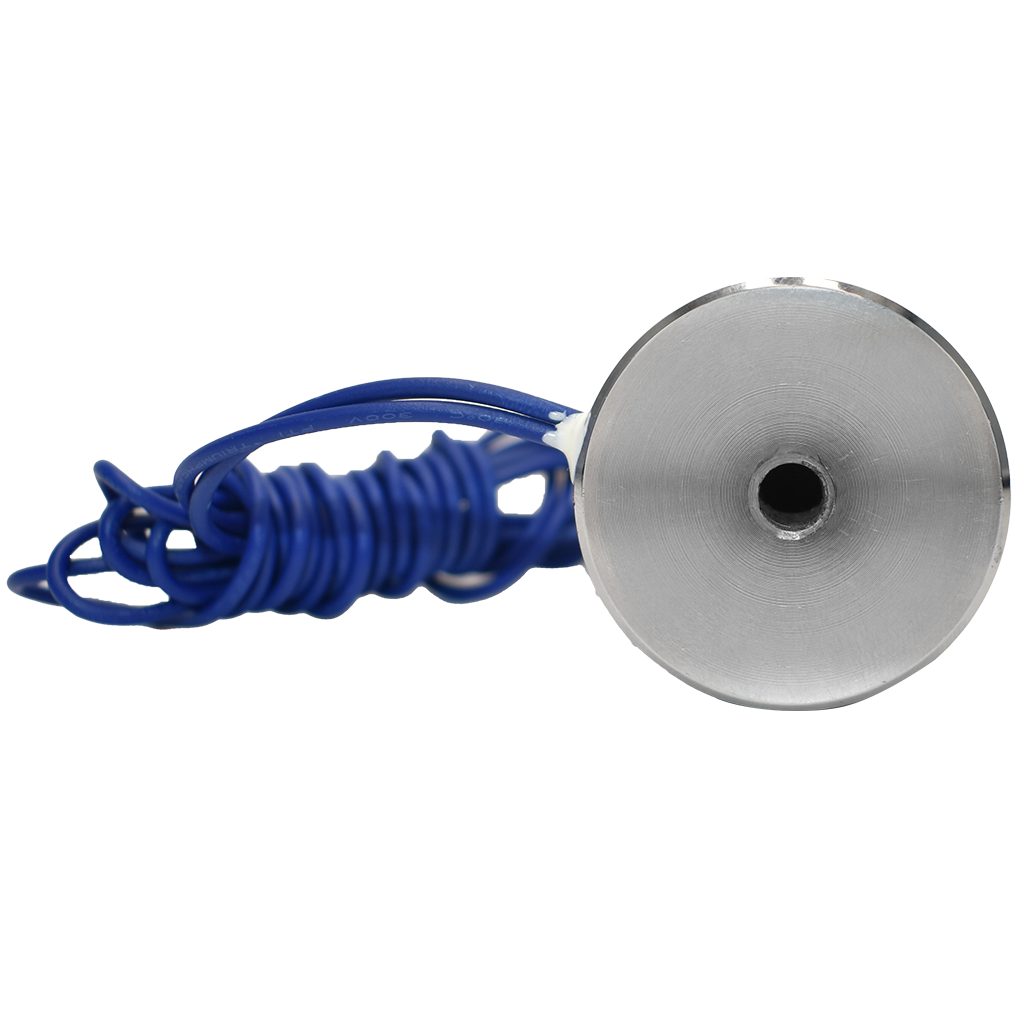
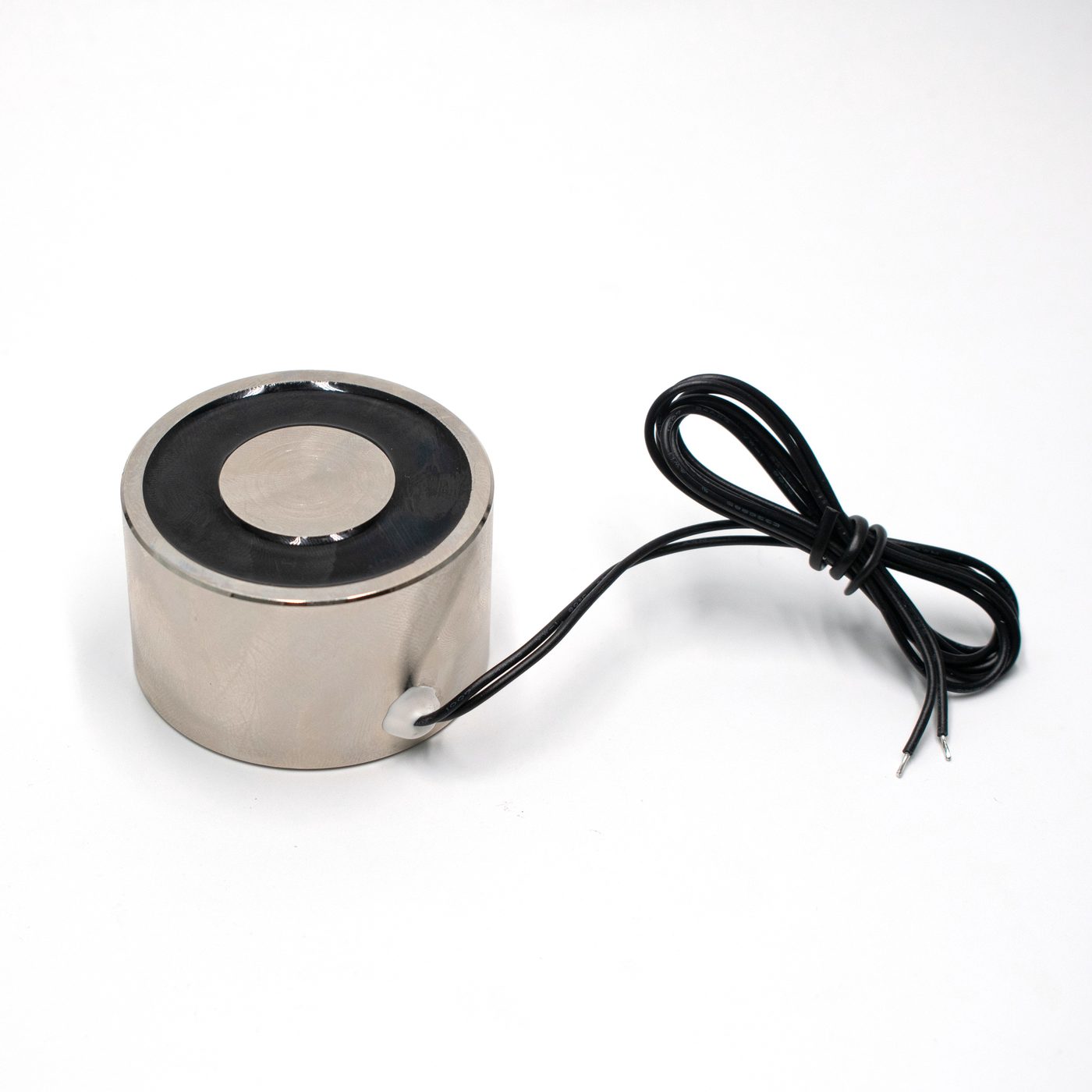
25 mm Tubular Solenoid, 30 mm Body
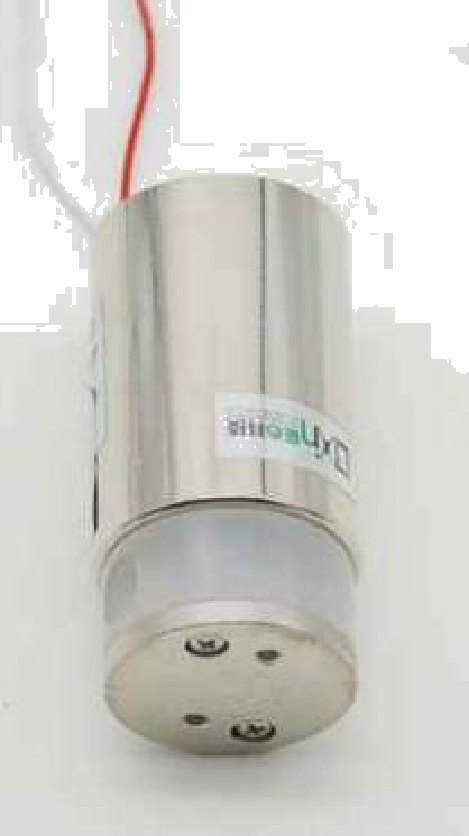
Gas & Liquid Release Solenoid Valve
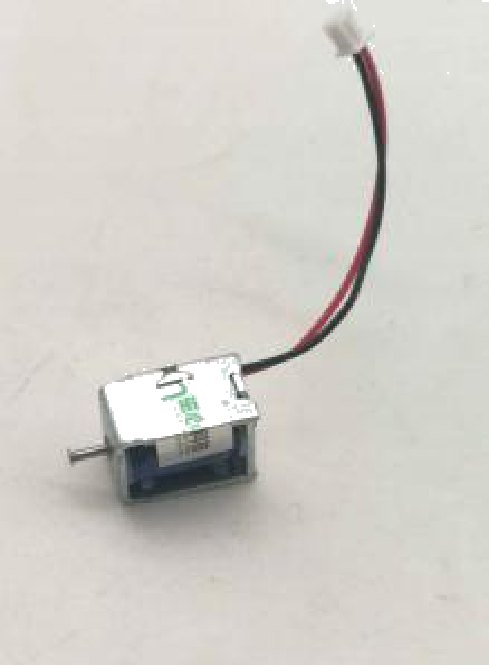
Open-frame U0316L/S
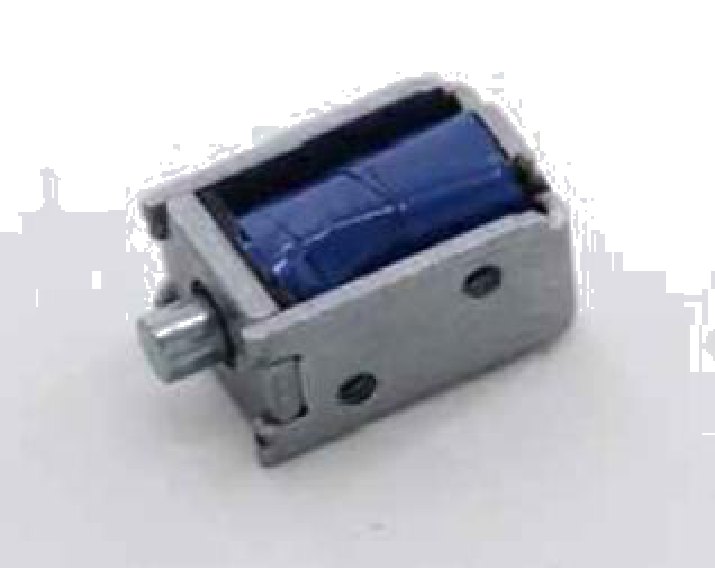
Open-frame U0415L/S

Open-frame U0420L/S
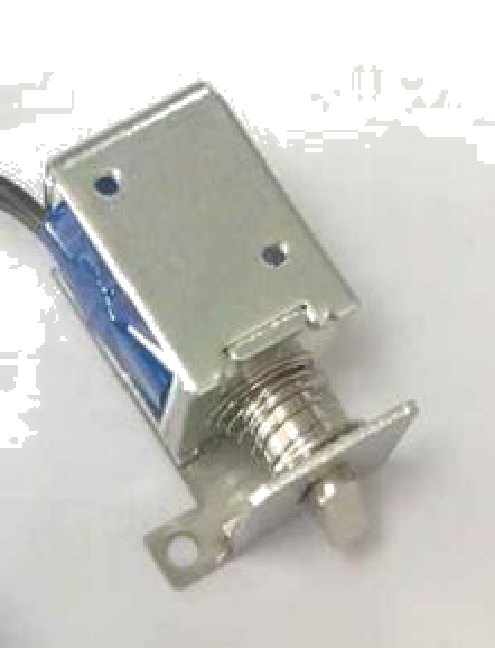
Open-frame U0421L/S
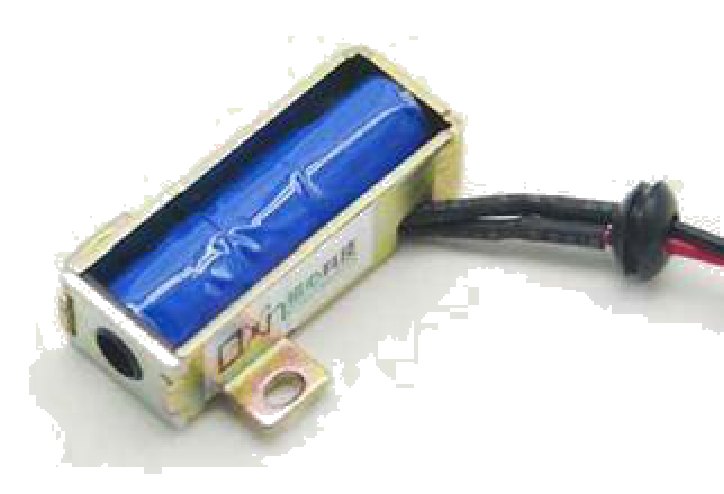
Open-frame U0436L/S
Open-frame U0520L/S
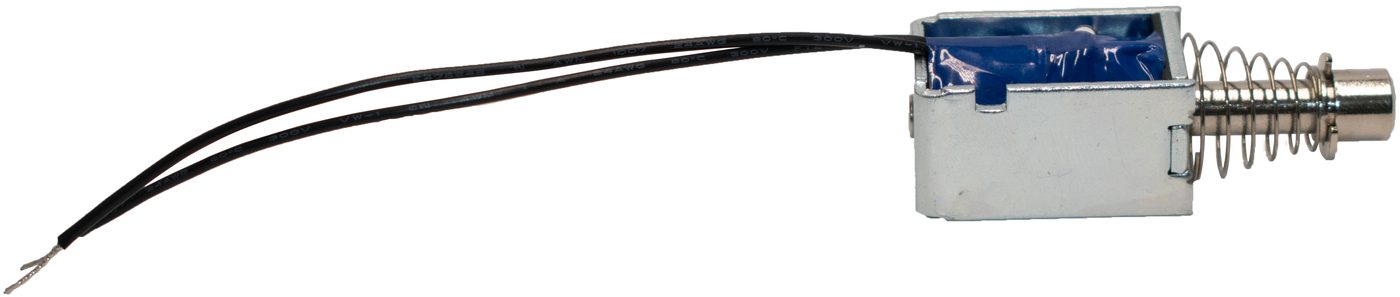
Open-frame U0630L/S
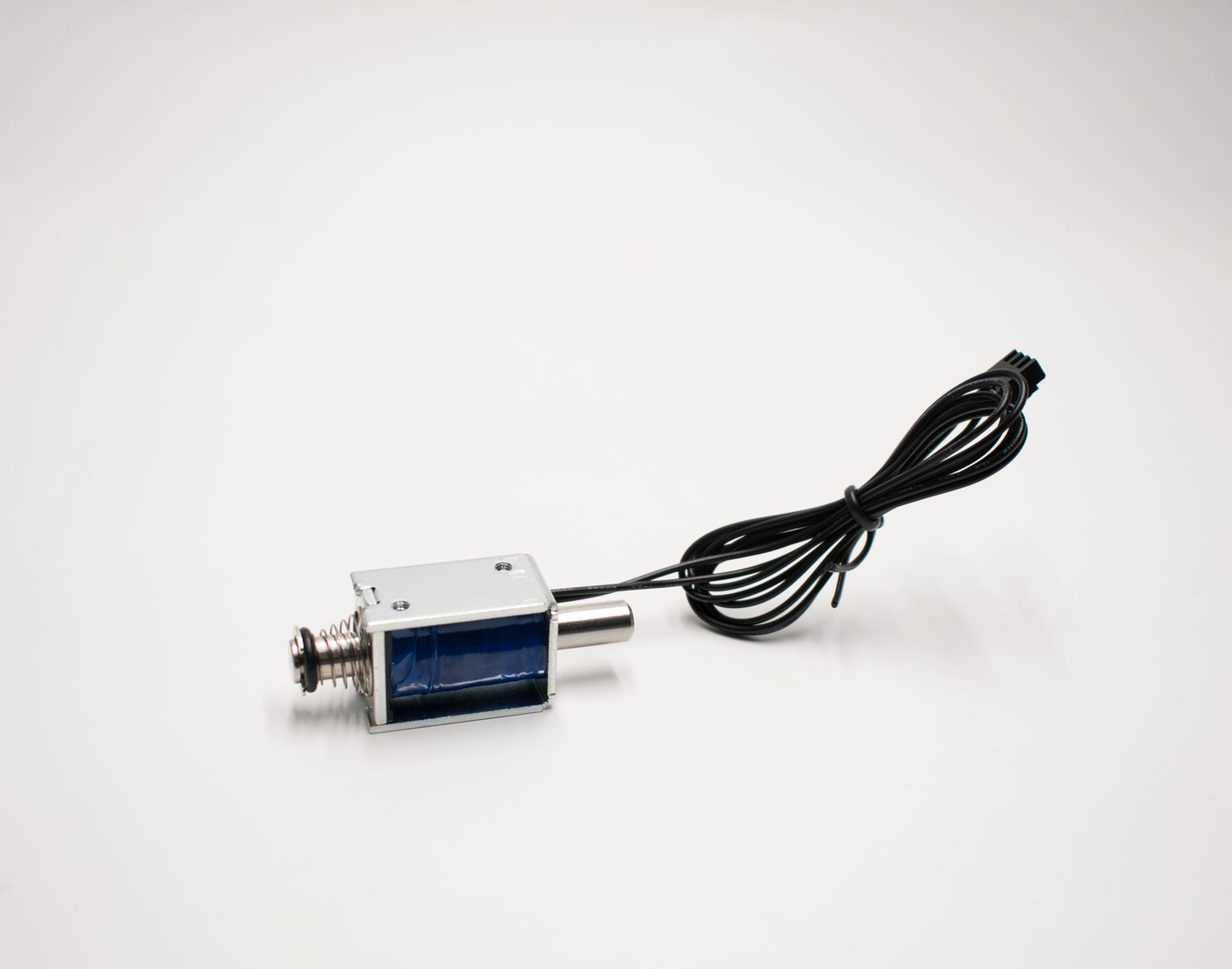
Open-frame U0730L/S
Open-frame U0834L/S
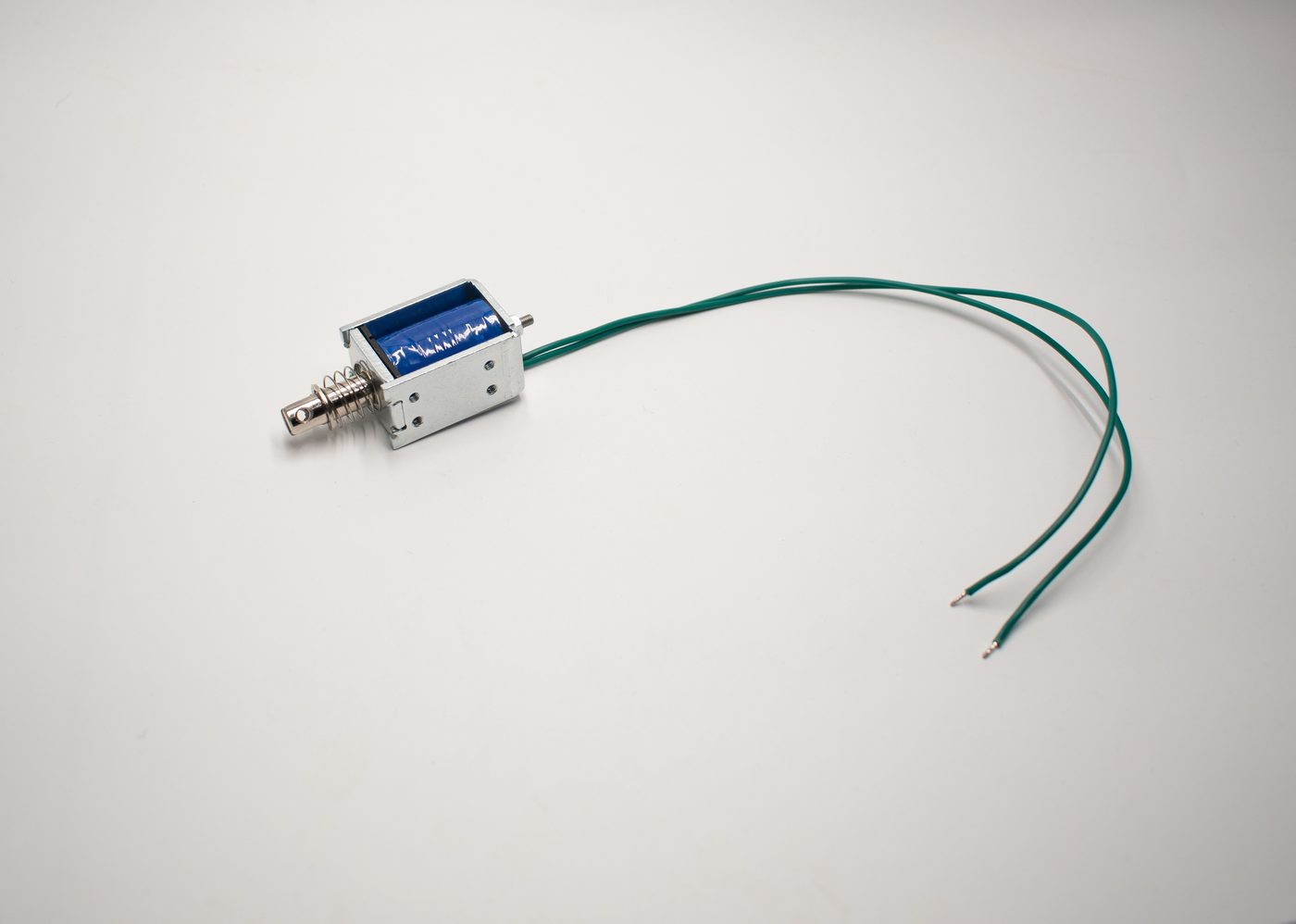
Open-frame U0837L/S
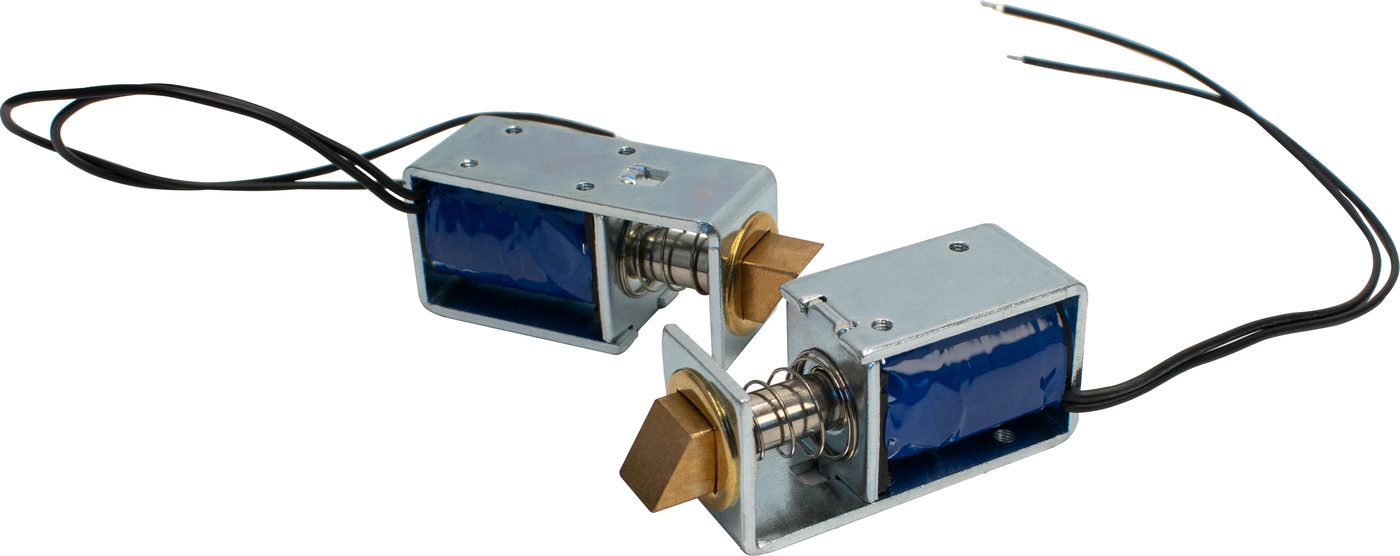
Open-frame U0854L/S
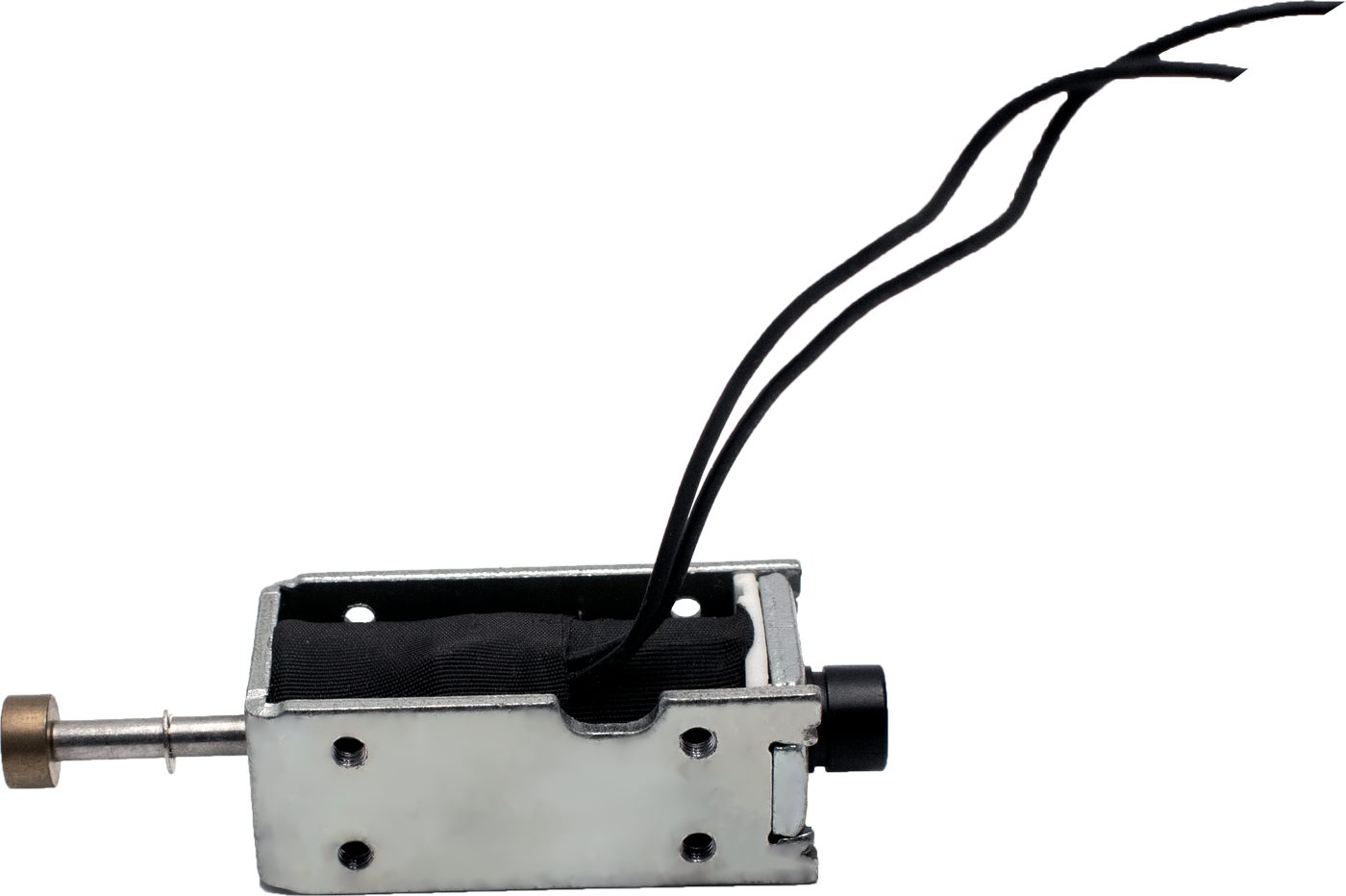
Open-frame U0946L/S
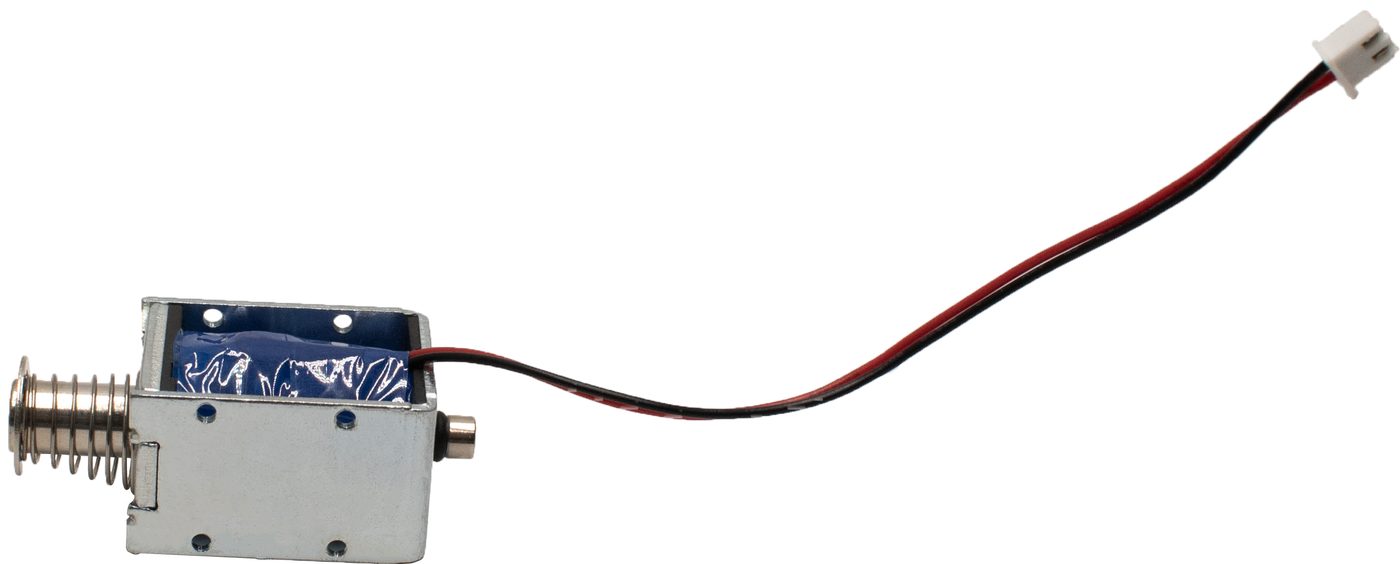
Open-frame U1040L/S
Open-frame U1146L/S
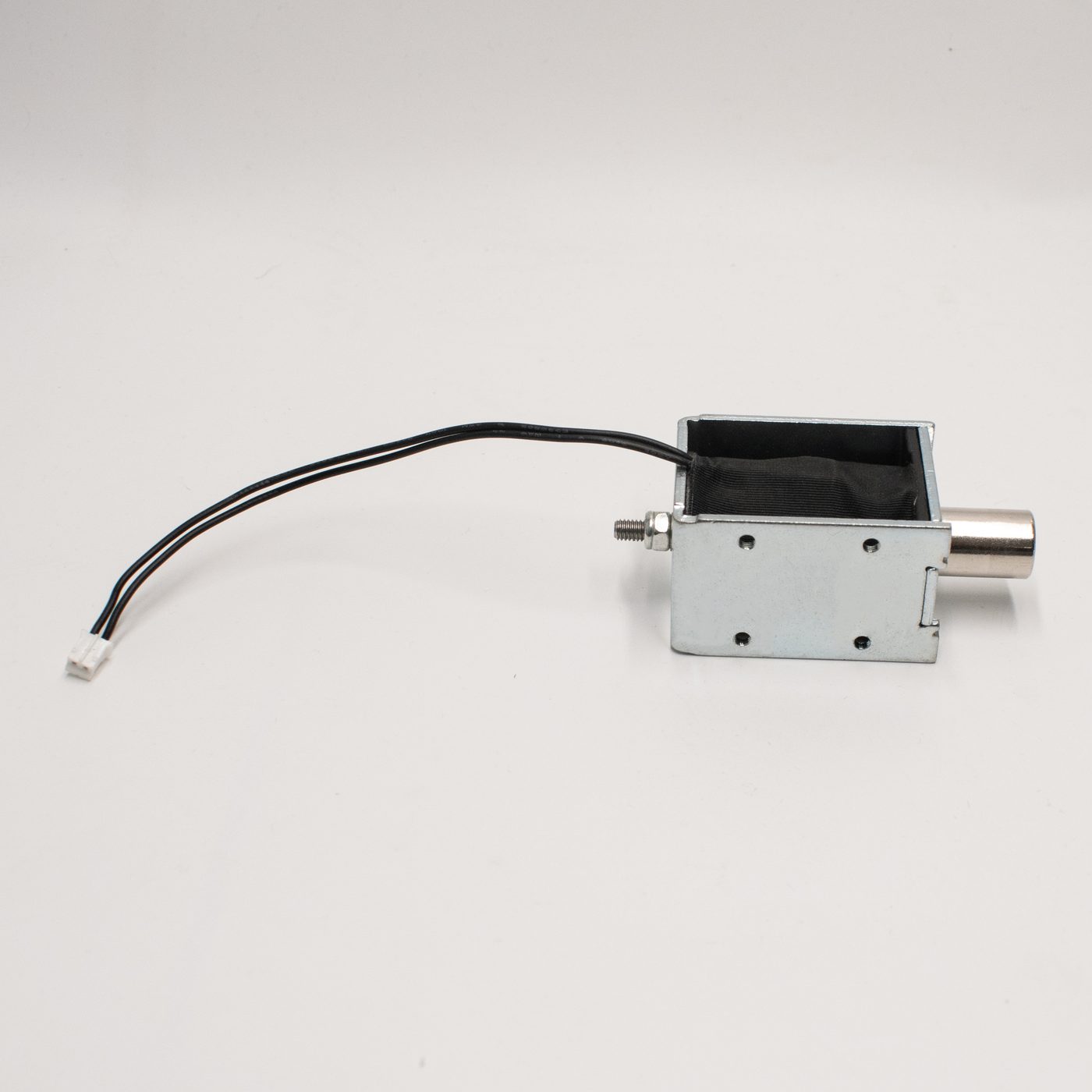
Open-frame U1245L/S
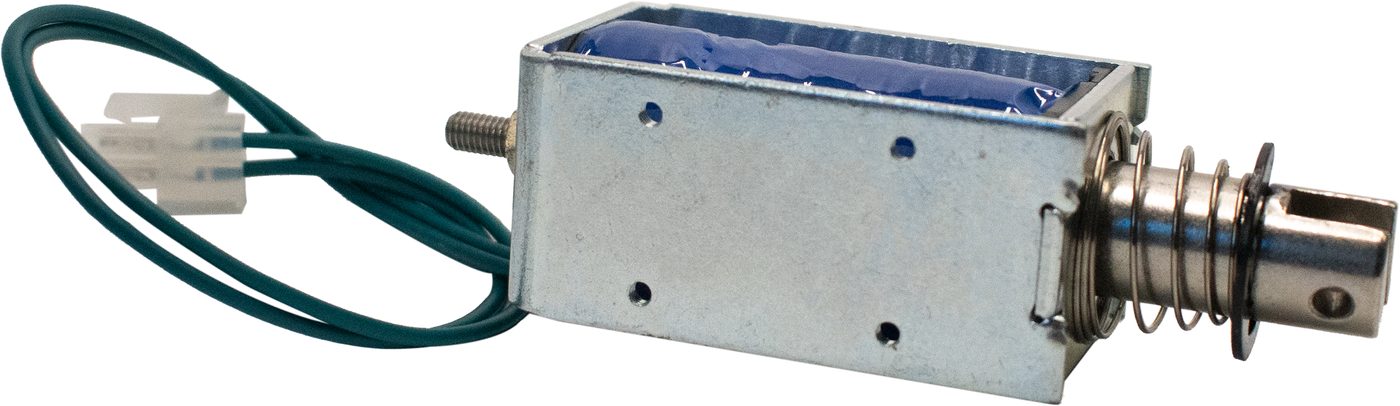
Open-frame U1564L/S
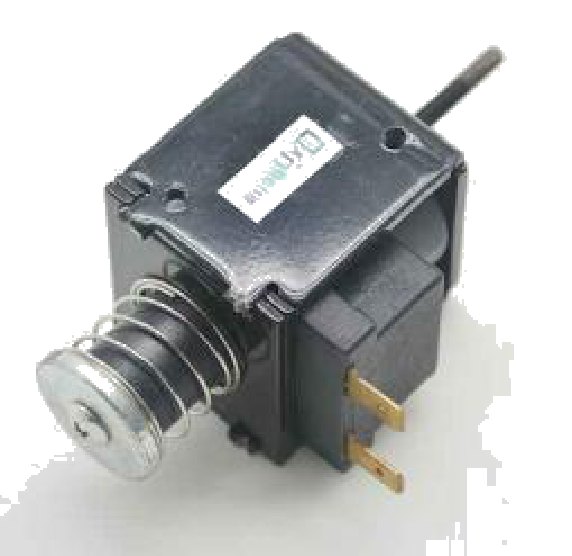
Open-frame U1847L/S
Open-frame U2244L/S
Open-frame U30120L/S
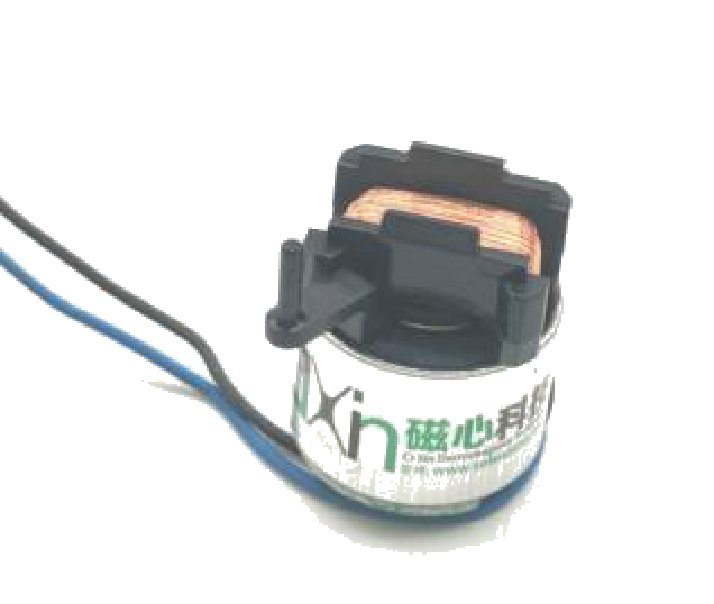
Rotary SW1215L
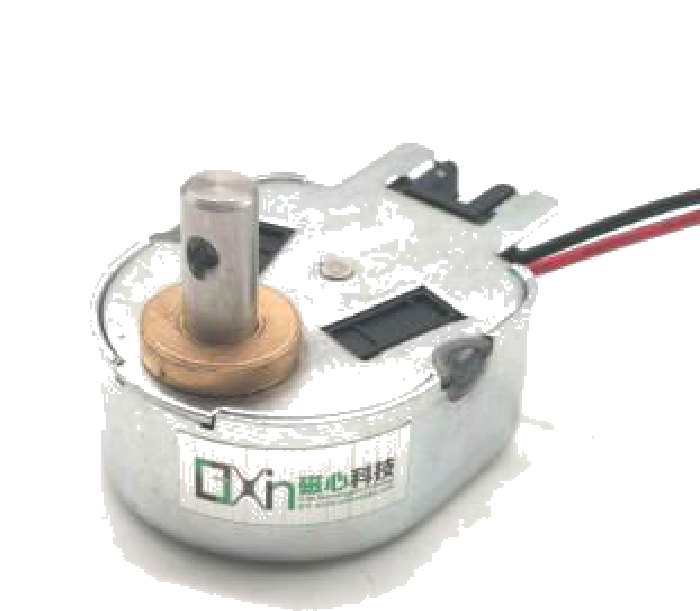
Rotary SW3235L
Rotary XZ2525L
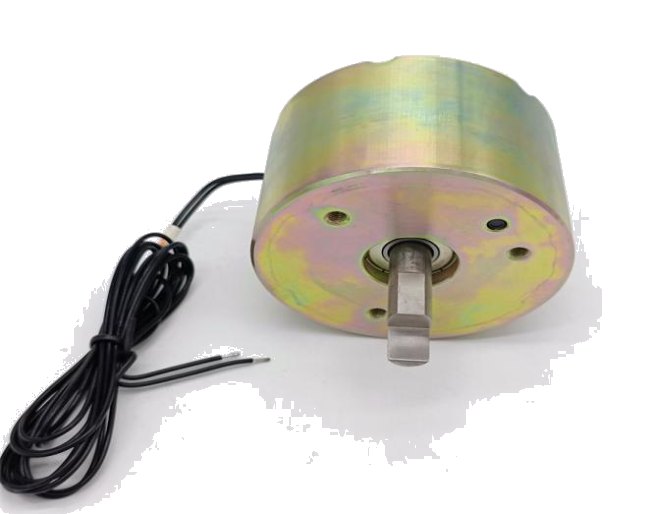
Rotary XZ7553L
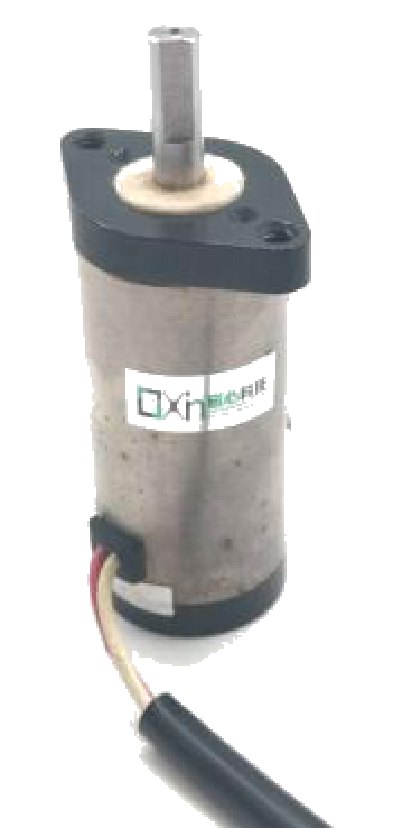
Rotary XZ2661L
Rotary XZ3035L
Rotary XZ3524L
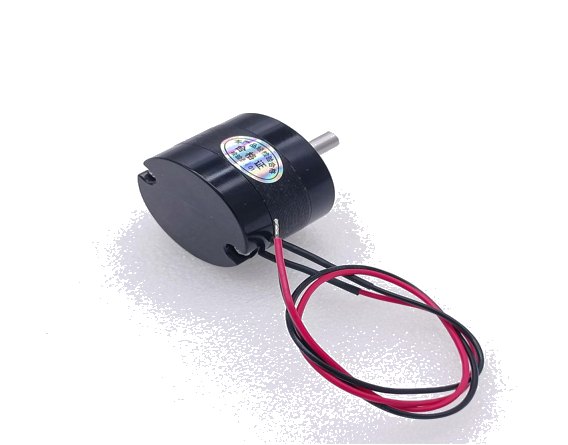
Rotary XZ4032L
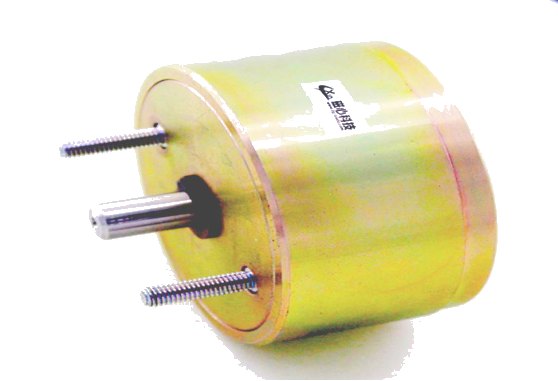
Rotary XZ8656L
Rotary XZ3018L
Rotary XZ5040L
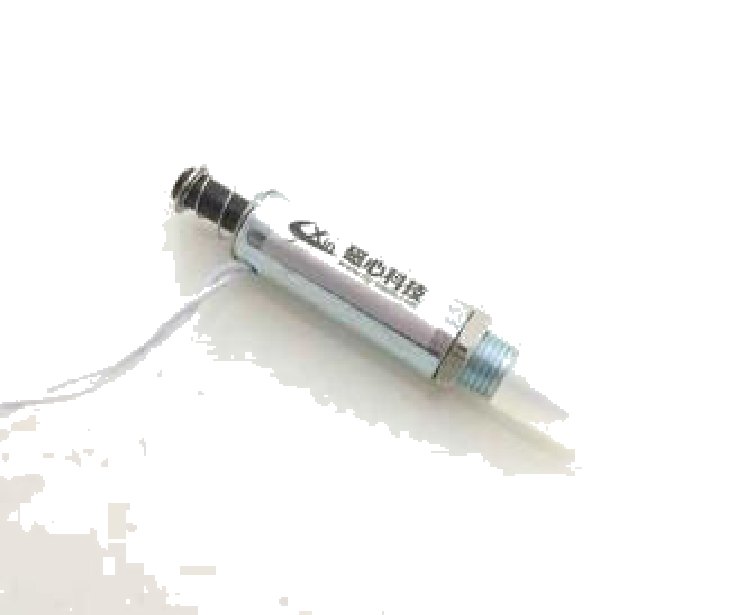
Tubular T0925L/S
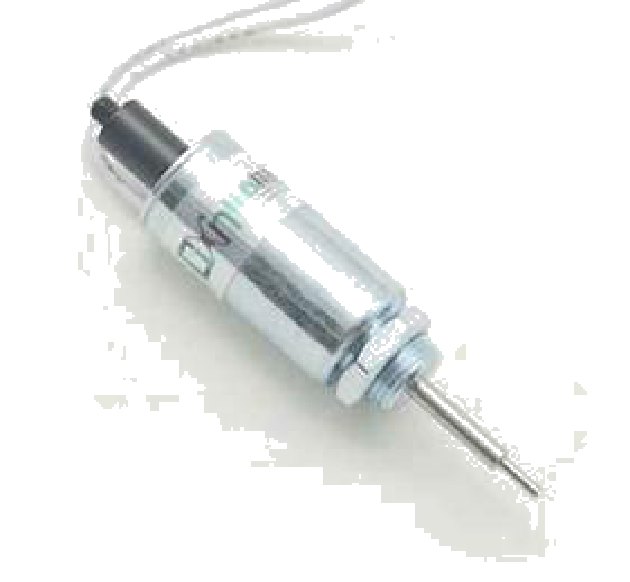
Tubular T1325L/S
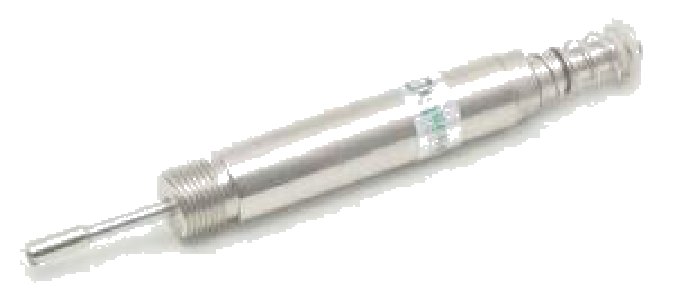
Tubular T1340L/S
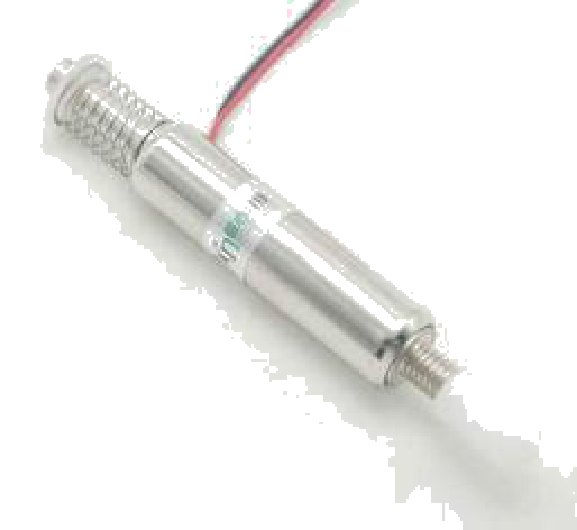
Tubular T1348L/S
Tubular T1632L/S
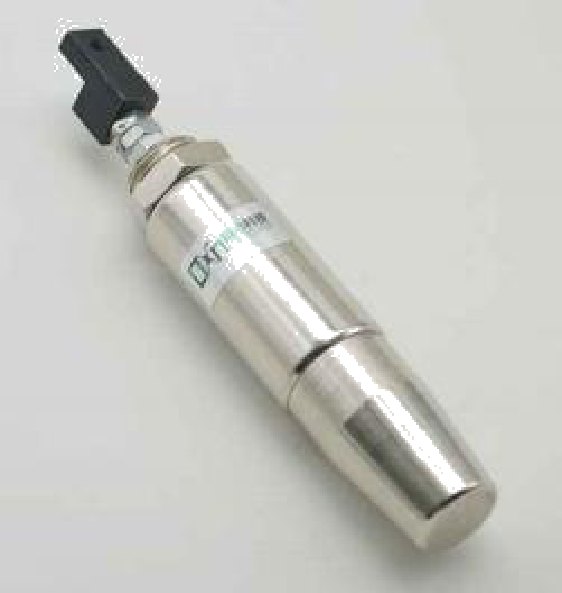
Tubular T2070L/S
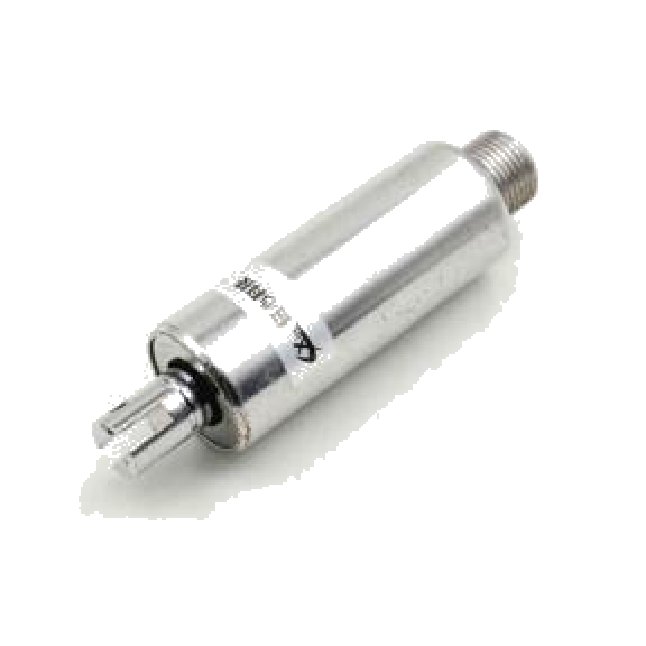
Tubular T2551L/S
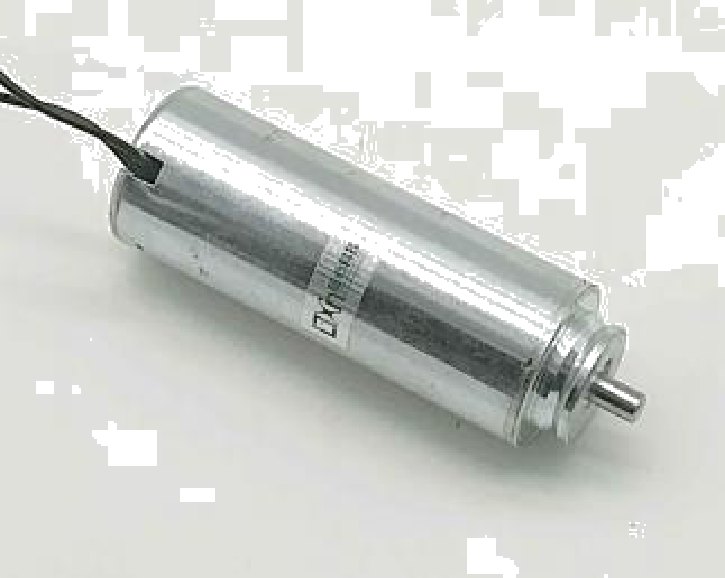
Tubular T2875L/S
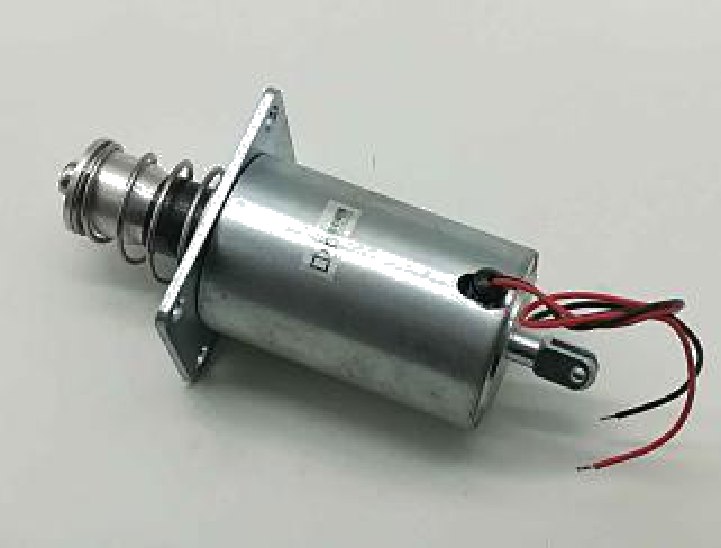
Tubular T4577L/S
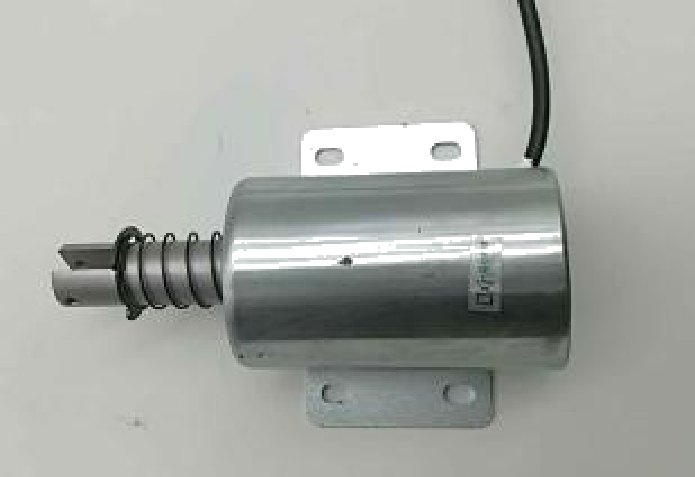
Tubular T5892L/S
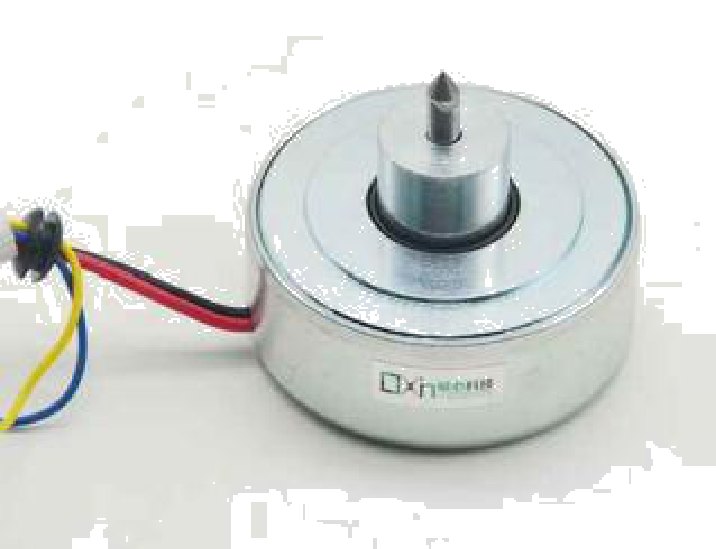
Tubular T6025S
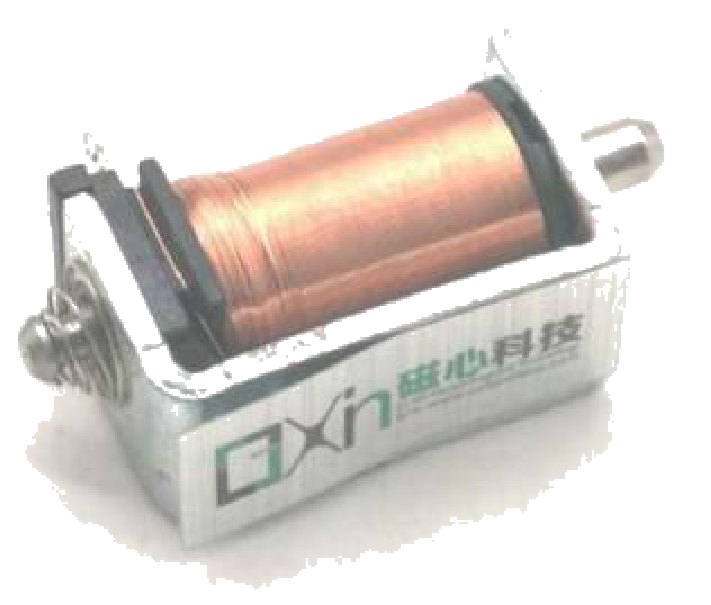
Solenoid valve QF0421
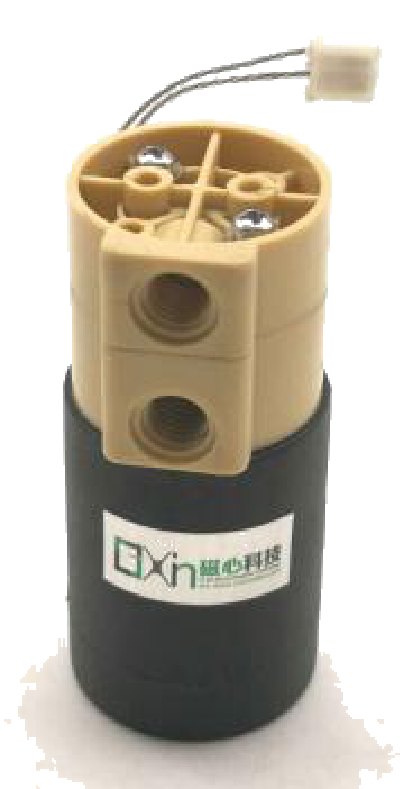
Solenoid valve QF2660
Solenoid valve QF4675L
Enough to clear the strike plate under load, plus 1–2 mm of margin. Most cabinet and locker bolts land between 5 and 12 mm; electronic deadbolts are often 3–8 mm. Measure the worst-case mechanical clearance, not the nominal.
Yes, if the holding state draws no current. A latching design holds magnetically after a short pulse, so the energy per operation is the pulse only. A spring-return design that stays energised will flatten a small battery in weeks.
That is a design decision, not a solenoid property. Fail-secure holds the door locked with no power; fail-safe releases it. Latching types can be built either way, and both usually need a mechanical release for service access.
It depends on load, stroke and the impact at the end stop — a number without those conditions is marketing. Ask for the cycle test report with the load and stroke stated.
Send the mechanism constraints and an engineer will propose a type, a coil and a sample plan.